Do you need to know the right Bell motorcycle helmet size for you? Yes, finding the correct helmet size is crucial for safety and comfort. This guide provides a detailed Bell helmet sizing guide to help you select the perfect fit.
A properly fitted motorcycle helmet is non-negotiable when it comes to rider safety. A helmet that’s too loose can shift during an accident, offering inadequate protection, while one that’s too tight can cause discomfort and distraction. Bell Helmets, a renowned name in motorcycle safety gear, offers a diverse range of helmets, each engineered with specific features and designs. To maximize protection and enjoy a comfortable ride, it’s vital to choose the right size. This comprehensive guide will walk you through the process of measuring your head, interpreting Bell helmet size charts, and ensuring a perfect fit.
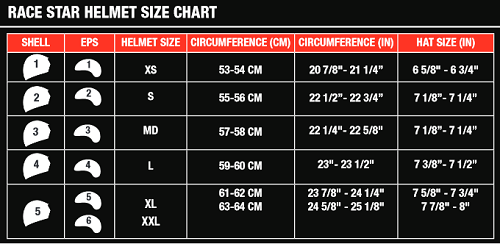
Image Source: xtremehelmets.com
Why is Helmet Fit So Important?
A motorcycle helmet’s primary job is to protect your head in the event of a crash. If the helmet doesn’t fit correctly, it can’t do its job effectively. Here’s why a proper fit matters:
- Safety: A snug fit ensures the helmet stays in place during an impact, absorbing and distributing the force of the blow. A loose helmet can move around, potentially exposing your head to injury.
- Comfort: A helmet that’s too tight will cause pressure points and headaches, making your ride miserable. A helmet that’s too loose will be noisy and unstable, leading to fatigue.
- Visibility: A properly fitted helmet stays securely on your head, maintaining your field of vision. A loose helmet can shift and obstruct your view.
- Legal Requirements: Many jurisdictions have laws requiring motorcycle helmets to fit properly.
Measuring Your Head: The First Step to the Perfect Fit
Before consulting any Bell helmet size chart, you need to accurately measure your head circumference. Here’s how:
- Gather Your Supplies: You’ll need a flexible measuring tape (cloth or plastic) and a mirror.
- Position the Tape: Place the measuring tape around your head, about one inch (2.5 cm) above your eyebrows and ears. This is the widest part of your head.
- Keep the Tape Level: Ensure the tape is level all the way around your head. Don’t let it dip down in the back.
- Read the Measurement: Pull the tape snug, but not too tight. Read the measurement in centimeters (cm) or inches, depending on the Bell helmet size chart you’ll be using.
- Repeat the Measurement: Take the measurement a few times to ensure accuracy.
- Record the Largest Measurement: If you get slightly different measurements, use the largest one.
Bell Helmet Size Chart: Finding Your Match
Once you have your head circumference measurement, it’s time to consult the Bell helmet size chart. Note that different Bell helmet models may have slightly different sizing. Always refer to the specific chart for the model you’re interested in.
Here’s a general Bell helmet size chart for adults (but always check the specific model’s chart):
| Size | Head Circumference (cm) | Head Circumference (inches) |
|---|---|---|
| XS | 51-53 | 20.1-20.9 |
| S | 54-56 | 21.3-22.0 |
| M | 57-59 | 22.4-23.2 |
| L | 60-62 | 23.6-24.4 |
| XL | 63-65 | 24.8-25.6 |
| 2XL | 66-68 | 26.0-26.8 |
| 3XL | 69-71 | 27.2-28.0 |
This chart provides Bell helmet size recommendations based on head circumference. It bridges Bell helmet size chart cm and Bell helmet size chart inches.
Bell Helmet Different Models Sizing Considerations
Bell manufactures a wide array of helmets, from full-face racing helmets to open-face cruiser helmets. While the general size chart provides a good starting point, be aware of these model-specific considerations:
- Full-Face Helmets (e.g., Bell Race Star, Bell Star): These helmets tend to fit more snugly, especially around the cheeks. Some riders prefer to go up a size if they’re between sizes.
- Modular Helmets (e.g., Bell SRT Modular): Modular helmets can have slightly different internal shapes. Check reviews for any sizing quirks specific to the model.
- Open-Face Helmets (e.g., Bell Custom 500): These helmets often have a more relaxed fit compared to full-face models.
- Dirt Bike Helmets (e.g., Bell Moto-9 Flex): Dirt bike helmets are designed to accommodate goggles and often have more aggressive ventilation. They may fit slightly differently than street helmets.
It is vital to check model-specific Bell helmet sizing advice before purchasing.
Checking the Fit: Beyond the Size Chart
The size chart is just a starting point. Once you have the helmet, you need to check the fit to ensure it’s right. Here’s what to look for:
- Snugness: The helmet should feel snug all the way around your head. It shouldn’t move freely or feel like it’s wobbling.
- Cheek Pads: The cheek pads should make contact with your cheeks, but they shouldn’t be so tight that they’re uncomfortable. Over time, cheek pads will compress slightly.
- Eyebrow Test: With the helmet on, try to move it from side to side. If the helmet moves easily, it’s too big. You should feel the helmet pulling your skin with it.
- Pressure Points: Check for any pressure points, especially on your forehead or temples. These can cause headaches and discomfort on long rides.
- Chin Strap: The chin strap should be snug enough that you can’t pull the helmet off your head, but not so tight that it’s uncomfortable. You should be able to fit two fingers between the strap and your throat.
- Roll-Off Test: Buckle the chin strap and try to roll the helmet off your head by pulling it forward. If the helmet comes off, it’s too big.
What if You’re Between Sizes?
If your head measurement falls between two sizes on the Bell helmet size chart, here’s what to do:
- Try Both Sizes On: If possible, try on both sizes to see which one fits better.
- Consider Head Shape: If you have a rounder head, the larger size may be more comfortable. If you have a more oval head, the smaller size may be a better fit.
- Err on the Side of Smaller: A slightly snug helmet is generally better than a slightly loose one. The padding will compress over time, and the helmet will loosen up.
- Use Thinner Padding: Some Bell helmets come with removable padding. You can try using thinner cheek pads or a thinner liner to fine-tune the fit.
Bell Helmet Fit Guide: Common Issues and Solutions
Here are some common fit issues and how to address them:
- Helmet Feels Too Tight: If the helmet feels too tight, try a larger size. You can also try using thinner cheek pads. If the pressure is localized to your forehead, the helmet shape might not be right for your head.
- Helmet Feels Too Loose: If the helmet feels too loose, try a smaller size. You can also try using thicker cheek pads. Make sure the chin strap is properly adjusted.
- Helmet Lifts at High Speeds: This indicates the helmet is too loose or the aerodynamic profile doesn’t suit your riding position. Try a smaller size or a different helmet model with better aerodynamics.
- Headaches: Headaches are often caused by pressure points. Make sure the helmet isn’t too tight in any one area. If the headaches persist, the helmet shape might not be right for your head.
- Noise: Excessive wind noise can be caused by a loose-fitting helmet. Make sure the helmet is snug and that the neck roll is properly sealed. You can also try using earplugs.
Breaking In Your New Bell Helmet
A new motorcycle helmet will usually feel snug. Over time, the padding will compress and conform to the shape of your head. This “break-in” period can take a few hours of riding. Don’t be discouraged if the helmet feels a little tight at first.
To speed up the break-in process, you can wear the helmet around the house for a few hours each day. However, don’t wear it while driving, as it’s important to maintain full awareness.
Maintaining Your Helmet for Optimal Fit and Safety
Proper maintenance is essential for ensuring your Bell helmet continues to fit well and provide optimal protection.
- Cleaning: Clean the helmet’s exterior regularly with mild soap and water. Avoid harsh chemicals or solvents that can damage the shell. Clean the interior padding according to the manufacturer’s instructions.
- Storage: Store your helmet in a cool, dry place away from direct sunlight. Extreme temperatures can damage the helmet’s materials.
- Inspection: Inspect your helmet regularly for any signs of damage, such as cracks, dents, or loose padding. If you drop your helmet, even from a short distance, it should be inspected by a professional.
- Replacement: Replace your helmet every 3-5 years, even if it doesn’t appear damaged. The materials in the helmet degrade over time, reducing its protective capabilities. Always replace your helmet after any impact, regardless of visible damage.
Frequently Asked Questions (FAQ)
-
What is the best way to measure my head for a Bell helmet?
- Use a flexible measuring tape to measure the circumference of your head about one inch above your eyebrows and ears. Keep the tape level and pull it snug.
-
Can I rely solely on the Bell helmet size chart?
- No, the size chart is a starting point. You should also check the fit of the helmet to ensure it’s snug and comfortable.
-
Who is responsible if I choose the wrong helmet size?
- Ultimately, you are responsible for choosing the correct helmet size. Reputable retailers will allow you to exchange or return a helmet if it doesn’t fit properly, provided it’s in new condition.
-
What is the lifespan of a Bell motorcycle helmet?
- Replace your helmet every 3-5 years, or after any impact.
-
How do I clean my Bell helmet?
- Clean the exterior with mild soap and water. Clean the interior padding according to the manufacturer’s instructions.
-
Can I use a car wash to clean my Bell helmet?
- No, the harsh chemicals and high pressure can damage the helmet.
-
What if my head shape doesn’t match the Bell helmet shape?
- Different helmet manufacturers use different head shapes. If a Bell helmet doesn’t fit well, try a different brand.
-
How do I know if my Bell helmet is DOT approved?
- Look for a DOT sticker on the back of the helmet.
-
What are cheek pads for, and can I replace them?
- Cheek pads provide a snug fit and comfort. They are often replaceable, allowing you to customize the fit.
-
What is the return policy of a Bell Helmet?
- The return policy will depend on where you purchased the helmet from (i.e. a specific retailer or from Bell directly). Make sure to clarify with the retailer before purchasing.
To unlock your perfect Bell motorcycle helmet fit, it’s all about precision measurements, a keen eye for detail, and the savvy to test a few options. Armed with this guide, you’ll secure a helmet that not only feels like a second skin but also delivers top-tier safety. Ride with confidence and savor every journey!

Hi, I’m Hector Quintanilla, the creator of helmetslab.com.. As a passionate enthusiast and experienced expert in helmets, I’ve dedicated this platform to sharing my insights, knowledge, and hands-on experiences. Whether you’re seeking the best helmet for safety, comfort, or performance, my goal is to guide you with detailed reviews, tips, and advice. Ride safe, and let’s explore the world of helmets together!