Do you have to wear a bicycle helmet? The answer depends on where you live. Some places have laws requiring helmet use, while others don’t. Even if there isn’t a law, wearing a helmet is always a good idea for your safety. This guide covers bicycle helmet laws, helmet safety benefits, and everything you need to know about cycling head protection.
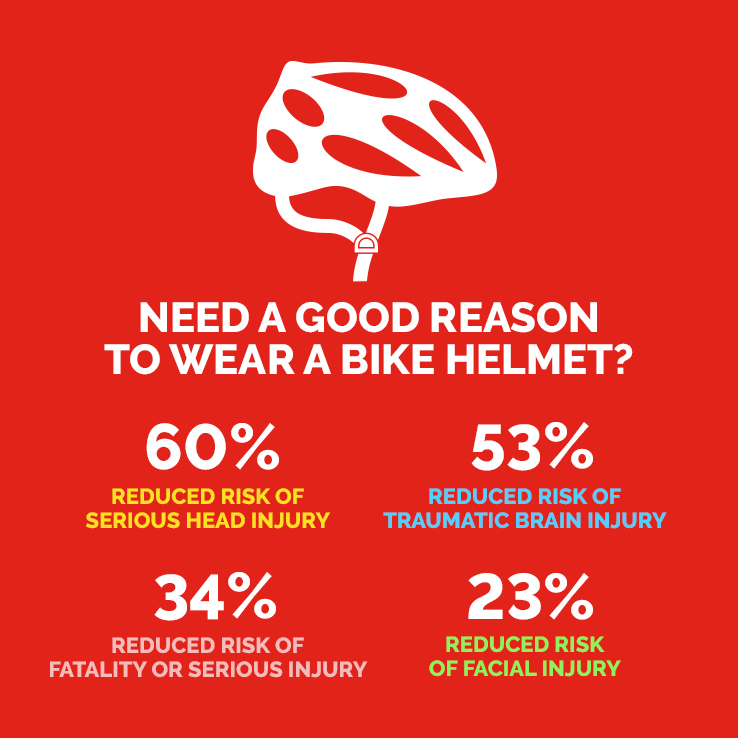
Image Source: healthmatters.nyp.org
The Current State of Bicycle Helmet Laws
Bicycle helmet laws vary greatly from place to place. Some countries or regions have mandatory helmet use for all cyclists, while others only require it for children or young adults. Many areas have no bike helmet regulations at all.
Helmet Laws Around the World
Many countries and regions worldwide have some form of bicycle helmet laws.
- Australia: Mandatory for all riders of all ages.
- New Zealand: Mandatory for all riders.
- Canada: Varies by province. Most provinces require helmet use for cyclists under a certain age (e.g., 18).
- United States: No federal law. State and local laws vary, with some requiring helmet use for children and teens.
- Europe: Laws vary widely. Some countries have mandatory helmet laws for children, while others have no national laws.
Understanding U.S. Bicycle Helmet Laws
In the United States, bicycle helmet laws are determined at the state and local levels.
- No state-wide law: There is no federal law in the US requiring bicycle helmets.
- State laws: Some states have laws for younger riders.
- Local ordinances: Many cities and counties have their own laws, which may be more strict than state laws.
Table: Example U.S. State Bicycle Helmet Laws (as of October 2024)
| State | Helmet Law |
|---|---|
| California | Required for riders under 18. |
| New York | Required for riders under 14. |
| Florida | Required for riders under 16. |
| Pennsylvania | Required for riders under 12. |
| Massachusetts | Required for riders 16 and under |
| (Many others) | Note: This table is not exhaustive and is for example only. Consult the laws of your specific state. |
It’s important to check the specific laws in your state and local area to ensure you are in compliance.
Why Laws Differ
Why the big differences in bicycle helmet laws? Here are some common reasons:
- Differing views on personal freedom: Some believe adults should have the freedom to choose whether or not to wear a helmet.
- Concerns about discouraging cycling: Some worry that mandatory helmet laws might discourage people from riding bikes.
- Focus on other safety measures: Some prefer to focus on improving bike infrastructure (like bike lanes) and educating cyclists about safe riding habits.
- Medical cost savings: The potential reduction in medical costs associated with bicycle accident head injuries is a significant factor in some regions.
The Importance of Helmet Safety
Even if the law doesn’t require it, wearing a cycling head protection is crucial for your safety. Helmet safety benefits are well-documented.
How Helmets Protect You
Helmets are designed to protect your head in a crash. They work by:
- Absorbing impact: The helmet’s foam liner crushes upon impact, reducing the force transmitted to your head.
- Distributing force: The hard outer shell spreads the impact force over a larger area, further reducing the risk of serious injury.
- Preventing direct contact: The helmet creates a barrier between your head and the road or other objects.
Helmet impact absorption is vital to reducing the severity of bicycle accident head injuries.
Helmet Effectiveness Research
Numerous studies have shown that helmets are highly effective in reducing the risk of head injuries in bicycle crashes. Helmet effectiveness research consistently demonstrates the following:
- Reduced head injury risk: Helmets reduce the risk of head injury by up to 85%.
- Reduced brain injury risk: Helmets can reduce the risk of brain injury by up to 88%.
- Lowered fatality rates: Studies show that helmet use is associated with lower fatality rates in bicycle accidents.
It’s important to note that no helmet can guarantee protection in every crash. However, wearing a helmet significantly improves your chances of avoiding serious head injury prevention cycling.
Risks of Cycling Without a Helmet
The risks of cycling without a helmet are significant.
- Increased risk of head injury: Without a helmet, your head is directly exposed to impact forces in a crash.
- Increased risk of brain injury: Head injuries can lead to brain damage, which can have long-term consequences.
- Higher fatality risk: Head injuries are a leading cause of death in bicycle accidents.
Even a minor fall can result in a serious head injury if you are not wearing a helmet. It’s simply not worth the risk.
Choosing the Right Helmet
Not all helmets are created equal. Choosing the right helmet and wearing it properly is essential for maximizing its effectiveness.
Helmet Standards and Certifications
Look for helmets that meet safety standards set by organizations such as:
- CPSC (Consumer Product Safety Commission): The standard for helmets sold in the United States.
- ASTM (American Society for Testing and Materials): Another common safety standard.
- EN 1078 (European Standard): The standard for helmets sold in Europe.
These certifications mean the helmet has been tested and meets minimum safety requirements.
Helmet Fit and Sizing
A helmet must fit properly to provide adequate protection.
- Measure your head: Use a flexible measuring tape to measure the circumference of your head, just above your eyebrows.
- Check the size chart: Consult the manufacturer’s size chart to determine the correct helmet size for your head circumference.
- Adjust the fit: Use the helmet’s adjustment system (usually a dial or straps) to fine-tune the fit.
A properly fitted helmet should:
- Sit level on your head.
- Cover your forehead.
- Feel snug but not too tight.
- Not move more than an inch in any direction when you shake your head.
Types of Bicycle Helmets
There are several types of bicycle helmets available, each designed for different types of riding.
- Road helmets: Lightweight and aerodynamic, designed for speed and performance on paved roads.
- Mountain bike helmets: More coverage, especially at the back of the head, for protection on trails.
- Recreational helmets: Versatile helmets suitable for general cycling.
- BMX helmets: Full-face helmets for added protection during BMX riding.
- Commuter helmets: Designed for urban cycling, often with features like integrated lights.
Choose a helmet that is appropriate for the type of riding you do most often.
Helmet Maintenance and Replacement
- Inspect your helmet regularly: Check for cracks, dents, or other signs of damage.
- Clean your helmet: Use mild soap and water to clean your helmet.
- Replace your helmet after a crash: Even if the damage is not visible, the helmet’s protective foam may have been compromised.
- Replace your helmet every few years: The materials in helmets can degrade over time, even if they haven’t been involved in a crash. Most manufacturers recommend replacing your helmet every 3-5 years.
Beyond Helmets: A Holistic Approach to Cycling Safety
While helmets are crucial, they are just one piece of the puzzle when it comes to cycling safety.
Safe Cycling Practices
- Obey traffic laws: Follow all traffic signals, signs, and lane markings.
- Ride predictably: Make your intentions clear to drivers and other cyclists.
- Use hand signals: Signal your turns and stops.
- Be visible: Wear bright clothing and use lights, especially at night or in low-light conditions.
- Be aware of your surroundings: Pay attention to traffic, pedestrians, and other hazards.
- Maintain your bike: Keep your bike in good working order.
Improving Cycling Infrastructure
Creating safer cycling infrastructure is essential for reducing the risk of accidents. This includes:
- Bike lanes: Dedicated lanes for cyclists.
- Protected bike lanes: Bike lanes separated from traffic by physical barriers.
- Bike paths: Paths dedicated to bicycle and pedestrian traffic.
- Bike boxes: Designated areas for cyclists at intersections.
- Lower speed limits: Reducing speed limits in areas with high bicycle traffic.
Education and Awareness
Educating cyclists and drivers about safe cycling practices is crucial. This includes:
- Bike safety courses: Teaching cyclists about traffic laws, safe riding techniques, and bike maintenance.
- Driver education: Educating drivers about how to safely share the road with cyclists.
- Public awareness campaigns: Promoting cycling safety through public service announcements and other outreach efforts.
Frequently Asked Questions (FAQ)
- What is the most important thing to look for in a bicycle helmet? The most important things are that the helmet meets safety standards (CPSC, ASTM, EN 1078), fits properly, and is comfortable to wear.
- Can I use a helmet that has been in a crash? No. Even if the damage is not visible, the helmet’s protective foam may have been compromised. Replace it immediately.
- Who is required to wear a bicycle helmet in my state? Check your state and local laws. Laws vary widely, with some requiring helmet use for children and teens, while others have no mandatory helmet laws.
- What are the long-term effects of a head injury from a bike accident? The long-term effects can range from mild to severe, and may include cognitive problems, physical disabilities, emotional difficulties, and chronic pain.
- Can I wear a hat under my helmet? It’s generally not recommended to wear a thick hat under your helmet, as it can affect the fit and reduce its effectiveness. A thin cycling cap can be worn for warmth or sun protection.
- What happens if I don’t wear a helmet and get into an accident? If you are not wearing a helmet and get into an accident, you are at a significantly higher risk of suffering a serious head injury.
- How do I clean my bicycle helmet? Use mild soap and water to clean your helmet. Avoid using harsh chemicals or solvents.
- Are more expensive helmets safer than cheaper ones? Not necessarily. More expensive helmets may have features like better ventilation or lighter weight, but as long as a helmet meets safety standards, it provides a similar level of protection.
- Is it safe to buy a used bicycle helmet? No. You cannot be sure of its history, and it may have been damaged in a previous accident.
- What is the best way to encourage more people to wear bicycle helmets? A combination of education, outreach, and infrastructure improvements can encourage more people to wear helmets. Mandatory helmet laws are also a consideration.
Conclusion
The debate over helmet mandates may differ by region, but the undeniable truth supported by research is that a helmet acts as a crucial shield, dramatically lowering the odds of severe head trauma in cycling mishaps. Even beyond legal obligation, donning a helmet is a wise personal decision for prioritizing your well-being. Ensure your chosen helmet adheres to rigorous safety benchmarks, boasts a snug fit, and offers comfort for your rides. Crucially, recognize that a helmet is a vital component, but not the sole determinant of safe cycling; embracing secure riding techniques, advocating for safer pathways, and fostering educational initiatives are equally essential for a secure journey. Ride smart, ride safe!

Hi, I’m Hector Quintanilla, the creator of helmetslab.com.. As a passionate enthusiast and experienced expert in helmets, I’ve dedicated this platform to sharing my insights, knowledge, and hands-on experiences. Whether you’re seeking the best helmet for safety, comfort, or performance, my goal is to guide you with detailed reviews, tips, and advice. Ride safe, and let’s explore the world of helmets together!