What is the best welding helmet? The best welding helmet is one that provides adequate protection, excellent visibility, is comfortable to wear for extended periods, and suits your specific welding needs and budget. Choosing the right welding helmet is crucial for your safety and the quality of your welds. This guide will explore the factors to consider when selecting a welding helmet, covering everything from safety standards to lens technology.
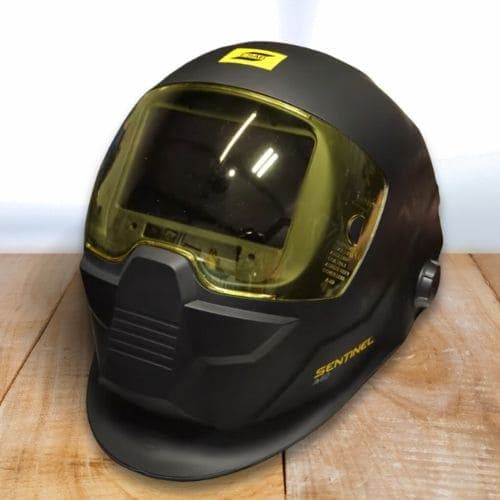
Image Source: proweldinghelmets.com
Protecting Yourself: Why a Good Welding Helmet Matters
Welding generates intense light, heat, and potentially harmful radiation. A welding helmet is your primary defense against these hazards. It shields your eyes and face from:
- Arc Radiation: Intense ultraviolet (UV) and infrared (IR) radiation can cause burns to your eyes and skin.
- Flying Sparks and Debris: Hot sparks, molten metal, and other debris can cause serious injuries.
- Bright Light: The intense brightness of the welding arc can lead to temporary or permanent vision damage (arc eye).
Understanding Welding Helmet Safety Standards
A safe welding helmet must meet specific safety standards. These standards ensure the helmet provides adequate protection against the hazards of welding.
- ANSI Z87.1: This is the most common safety standard for welding helmets in the United States. It specifies the requirements for impact resistance, optical radiation protection, and flammability. Look for helmets that are clearly marked as meeting ANSI Z87.1.
- CSA Standard: Similar to ANSI, the Canadian Standards Association (CSA) sets safety requirements for welding helmets sold in Canada.
- EN 175: This European standard outlines the safety requirements for eye and face protection during welding.
A helmet that meets these standards has undergone rigorous testing and is certified to provide a minimum level of protection.
Types of Welding Helmets
There are two primary types of welding helmets: passive and auto-darkening.
Passive Welding Helmets
Passive helmets have a fixed shade lens, typically Shade 10. This means the lens is always dark, regardless of whether you are welding or not.
- Pros:
- Lower cost.
- Simple design.
- No batteries required.
- Cons:
- Requires flipping the helmet up and down to see before and after welding, which can slow down work and increase the risk of accidental arc flashes.
- Fixed shade may not be suitable for all welding processes or amperages.
Auto-Darkening Helmets (ADH)
Auto-darkening helmets use electronic sensors to detect the welding arc and automatically darken the lens within milliseconds.
- Pros:
- Improved safety and convenience.
- Allows the welder to see clearly before striking an arc, improving accuracy and reducing the risk of errors.
- Variable shade settings to suit different welding processes and amperages.
- Increased productivity.
- Cons:
- Higher cost than passive helmets.
- Require batteries (some are solar-powered with battery backup).
- More complex electronics that can potentially fail.
Deciphering Welding Hood Features: What to Look For
When choosing a welding helmet, consider these key features:
Lens Shade Range
The lens shade number indicates how much light the lens blocks. Higher numbers block more light.
- Shade 9-13: This is the most common shade range for auto-darkening helmets, suitable for most welding processes (MIG, TIG, Stick).
- Shade 5-8: Lighter shades are used for plasma cutting and some low-amperage TIG welding.
- Shade 14-15: Darker shades are used for high-amperage welding processes.
Refer to a welding shade chart to determine the appropriate shade number for your specific welding process and amperage.
Viewing Area
The viewing area is the size of the lens you can see through. A larger viewing area provides a wider field of vision, improving situational awareness and reducing the feeling of being “tunnel-visioned.”
- Standard Viewing Area: Approximately 6 square inches.
- Large Viewing Area: 9 square inches or more.
Larger viewing areas generally command a higher price, but the improved visibility can be worth the investment, especially for complex welding tasks.
Number of Sensors
Auto-darkening helmets use sensors to detect the welding arc. More sensors generally provide faster and more reliable arc detection.
- 2 Sensors: Suitable for basic welding applications.
- 3-4 Sensors: Recommended for more demanding welding situations, such as welding out-of-position or in obstructed areas where the arc may be partially blocked.
Response Time
Response time is the speed at which the lens darkens when the arc is struck. A faster response time minimizes the risk of eye flash.
- Typical Response Time: 1/25,000 second or faster.
Look for helmets with response times of 1/20,000 second or faster for optimal protection.
Sensitivity and Delay Controls
- Sensitivity: Adjusts the amount of light needed to trigger the auto-darkening function. Higher sensitivity is useful for low-amperage TIG welding.
- Delay: Adjusts the time it takes for the lens to return to its light state after the arc is extinguished. A longer delay can reduce eye strain when welding frequently.
These controls allow you to fine-tune the helmet’s performance to suit your individual preferences and welding conditions.
Power Source
- Battery-Powered: Some auto-darkening helmets are powered by replaceable batteries.
- Solar-Powered: Many auto-darkening helmets use solar panels to charge the battery. These helmets typically have a battery backup for use in low-light conditions.
Solar-powered helmets are generally more convenient, as you don’t have to worry about replacing batteries as often.
Comfortable Welding Helmet: Headgear and Weight
A comfortable welding helmet is essential for long welding sessions. Look for helmets with:
- Adjustable Headgear: Allows you to customize the fit for maximum comfort and stability.
- Padded Headband: Reduces pressure points and improves comfort.
- Lightweight Design: Reduces neck strain.
Helmet weight can range from around one pound to over two pounds. Choose a helmet that is light enough to wear comfortably for extended periods.
Welding Helmet Visibility: Optical Clarity
Optical clarity refers to the quality of the view through the lens. A clearer lens allows you to see the weld pool and surrounding area more clearly, improving weld quality and reducing eye strain.
- Optical Class: Welding helmets are rated according to their optical clarity using the EN379 standard. The rating consists of four numbers, each representing a different aspect of optical quality:
- Optical Class: Clarity of the lens.
- Diffusion of Light Class: How much the lens scatters light.
- Variations in Luminous Transmittance Class: Consistency of the shade across the lens.
- Angle Dependence on Luminous Transmittance Class: How much the shade changes when viewed from different angles.
A rating of 1/1/1/1 is the best possible, indicating excellent optical clarity.
Welding Helmet Lens Technology: Advanced Features
Advanced lens technologies can further enhance your welding experience.
- True Color Lens: These lenses provide a more natural color view, making it easier to distinguish between different metals and welding processes. This reduces eye strain and improves weld quality.
- Digital Controls: Some helmets feature digital controls for adjusting shade, sensitivity, and delay settings. These controls offer greater precision and convenience.
- Grind Mode: A grind mode allows you to use the helmet as a face shield for grinding without the auto-darkening function activating.
- Magnifying Lens (Cheater Lens) Compatibility: Some helmets are designed to accept magnifying lenses, which can be helpful for welders who need extra magnification.
Best Welding Helmet for Beginners
For beginners, an auto-darkening helmet with a standard shade range (9-13), a reasonable viewing area, and adjustable headgear is a good starting point. Look for helmets that are easy to use and offer good value for money. A budget welding helmet option may be suitable initially, but prioritize safety and comfort.
Professional Welding Helmet: For Experienced Welders
Experienced welders often require more advanced features, such as a large viewing area, true color lens technology, multiple sensors, and precise control over sensitivity and delay settings. A professional welding helmet should also be durable and comfortable enough for all-day use.
Welding Helmet Reviews: Research and Compare
Before making a purchase, read welding helmet reviews from other welders. This can provide valuable insights into the performance, durability, and comfort of different helmets. Compare features, prices, and user ratings to find the best helmet for your needs.
Choosing the Right Helmet for Your Welding Process
The type of welding you do will influence your helmet choice.
- MIG Welding: A helmet with a shade range of 9-13 is typically suitable.
- TIG Welding: Look for a helmet with a low amperage TIG welding setting (shade 5-8) and a fast response time. Sensitivity control is also important for TIG welding.
- Stick Welding: A helmet with a shade range of 10-13 is typically suitable.
Maintaining Your Welding Helmet
Proper maintenance will extend the life of your welding helmet.
- Clean the Lens Regularly: Use a soft cloth and mild soap to clean the lens. Avoid using abrasive cleaners.
- Replace the Cover Lens: The clear cover lens protects the auto-darkening lens from scratches and debris. Replace it when it becomes scratched or damaged.
- Store the Helmet Properly: Store the helmet in a clean, dry place away from direct sunlight.
- Check the Batteries: Replace the batteries in battery-powered helmets regularly.
FAQ: Frequently Asked Questions About Welding Helmets
- Can I weld without a helmet? No. Welding without a helmet is extremely dangerous and can cause severe eye and skin damage.
- How do I choose the right shade number? Refer to a welding shade chart based on your welding process and amperage.
- Are cheap welding helmets safe? Cheaper helmets may meet minimum safety standards, but they may not offer the same level of comfort, visibility, or durability as higher-quality helmets.
- How long do welding helmets last? With proper care and maintenance, a good welding helmet can last for many years.
- What is “arc eye”? Arc eye (photokeratitis) is a painful condition caused by exposure to UV radiation from the welding arc. A welding helmet is essential to prevent arc eye.
Final Thoughts
Picking the perfect welding helmet isn’t a one-size-fits-all affair; it’s all about tailoring your selection to what *you* need and dig. Dive into the details we’ve laid out, explore the gear out there, and soak up other welders’ opinions to snag the right shield. Your top priorities should be keeping yourself safe, feeling good while you work, and seeing clearly, all for a welding journey that’s both secure and gets the job done.

Hi, I’m Hector Quintanilla, the creator of helmetslab.com.. As a passionate enthusiast and experienced expert in helmets, I’ve dedicated this platform to sharing my insights, knowledge, and hands-on experiences. Whether you’re seeking the best helmet for safety, comfort, or performance, my goal is to guide you with detailed reviews, tips, and advice. Ride safe, and let’s explore the world of helmets together!