Yes, whether you have to wear a helmet on a motorcycle depends on the state you’re in. Motorcycle helmet laws vary significantly across the United States, with some states requiring all riders to wear a helmet, while others only mandate it for certain age groups or those with learner’s permits. This article delves into the complexities of motorcycle helmet laws, exploring the helmet requirements in different states, examining helmet law states and those with partial laws or no laws at all. We will also discuss motorcycle safety gear, motorcycle helmet exemptions, the concept of mandatory helmet use, motorcycle helmet legality, the risks of motorcycle riding without a helmet, helmet law penalties, and the overall impact of helmet laws on safety and public health.
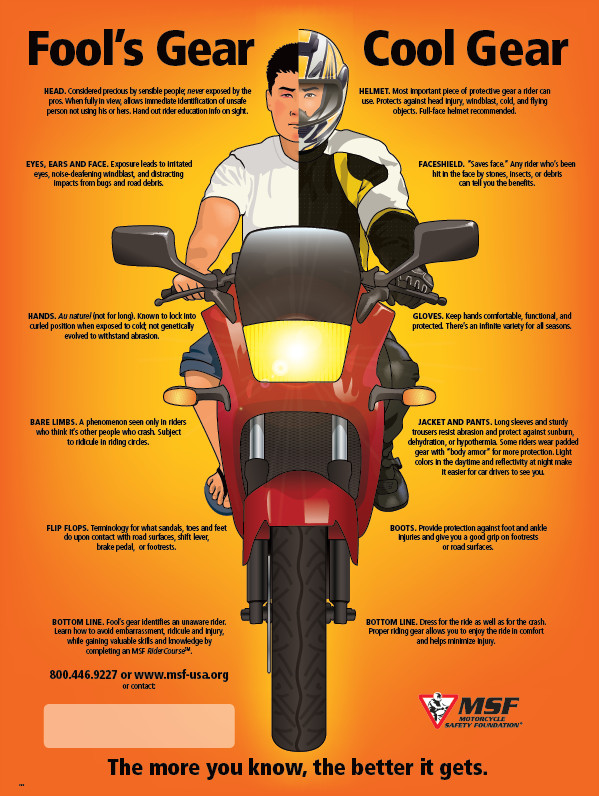
Image Source: georgiamotorcycleriders.com
A Patchwork of Regulations: Motorcycle Helmet Legality in the US
The legal landscape surrounding motorcycle helmets is far from uniform in the United States. This variance stems from debates about individual liberty versus public safety, as well as studies that have presented conflicting data on the effectiveness of helmet laws. Some states firmly believe in mandatory helmet use for all riders, citing reduced fatalities and severe head injuries as justification. Others champion personal choice, arguing that adults should have the right to decide whether or not to wear a helmet.
Full Helmet Law States
These states require all motorcycle riders, regardless of age or experience, to wear a helmet that meets the Department of Transportation (DOT) standards. These laws are often implemented to protect riders and reduce the financial burden on taxpayers associated with treating severe head injuries resulting from motorcycle accidents.
- Alabama
- California
- Georgia
- Louisiana
- Maryland
- Massachusetts
- Mississippi
- Nebraska
- Nevada
- New Jersey
- New York
- North Carolina
- Oregon
- Tennessee
- Vermont
- Virginia
- Washington
- West Virginia
Partial Helmet Law States
Partial helmet laws mandate helmet use for specific groups of riders, typically younger riders or those with learner’s permits. The age limits and other stipulations vary widely from state to state. These laws often represent a compromise between safety advocates and those who prioritize personal freedom.
- Arkansas: Riders under 21 years of age.
- Connecticut: Riders under 21 years of age and those with learner’s permits.
- Delaware: Riders under 19 years of age.
- Florida: Riders under 21 years of age or those without medical insurance coverage of at least $10,000.
- Hawaii: Riders under 18 years of age.
- Idaho: Riders under 18 years of age until they complete a motorcycle safety course.
- Indiana: Riders under 18 years of age and those with learner’s permits.
- Kansas: Riders under 18 years of age.
- Kentucky: Riders under 21 years of age or those with learner’s permits.
- Maine: Riders under 18 years of age and those with learner’s permits, for one year from issue date.
- Michigan: Riders under 21 years of age; riders over 21 are exempt if they have at least 2 years of riding experience or have passed a motorcycle safety course.
- Minnesota: Riders under 18 years of age or within the first year of holding a permit or endorsement.
- Missouri: Riders under 26 years of age, and those with a learner’s permit.
- New Hampshire: Riders under 18 years of age.
- New Mexico: Riders under 18 years of age.
- North Dakota: Riders under 18 years of age.
- Ohio: Riders under 18 years of age and within the first year of licensure.
- Oklahoma: Riders under 18 years of age.
- Pennsylvania: Riders under 21 years of age; riders with less than two years of experience; riders who have not completed a motorcycle safety course.
- Rhode Island: Riders under 21 years of age, and those with a learner’s permit.
- South Carolina: Riders under 21 years of age.
- South Dakota: Riders under 18 years of age.
- Texas: Riders under 21 years of age.
- Utah: Riders under 18 years of age.
- Wisconsin: Riders under 18 years of age or with an instructional permit.
- Wyoming: Riders under 18 years of age.
States with No Helmet Law
These states do not require motorcycle riders to wear a helmet, regardless of age or experience. This decision is often rooted in a belief in personal responsibility and the right to choose.
- Illinois
- Iowa
- New Hampshire
Important Note: State laws are subject to change. Always verify the current laws in the specific state you plan to ride in. You can usually find this information on the state’s Department of Motor Vehicles (DMV) website.
The Importance of Motorcycle Safety Gear
Beyond helmets, other motorcycle safety gear plays a critical role in protecting riders. While not always legally mandated, these items can significantly reduce the risk of injury in an accident.
Essential Gear Recommendations
- Eye Protection: Goggles or a face shield protect against wind, debris, and insects, ensuring clear vision.
- Jacket and Pants: Leather or abrasion-resistant synthetic materials offer protection against road rash in case of a fall.
- Gloves: Protect hands from abrasions and provide a better grip on the handlebars.
- Boots: Provide ankle support and protect feet from injury.
Consequences of Motorcycle Riding Without a Helmet
Motorcycle riding without a helmet carries significant risks. Studies consistently show that helmets drastically reduce the likelihood of head injuries and fatalities in motorcycle accidents.
Increased Risk of Head Injury
The most obvious risk of not wearing a helmet is a higher chance of suffering a traumatic brain injury (TBI) in an accident. TBIs can range from mild concussions to severe, life-altering brain damage.
Higher Fatality Rates
States without mandatory helmet laws often experience higher motorcycle fatality rates compared to states with such laws. This correlation underscores the effectiveness of helmets in saving lives.
Financial Burden
Head injuries are often expensive to treat. Riders without helmets are more likely to require extensive medical care, potentially placing a financial strain on themselves, their families, and the healthcare system.
Deciphering Motorcycle Helmet Exemptions
Some states offer motorcycle helmet exemptions under specific circumstances. These exemptions are often controversial, as they can potentially compromise rider safety.
Common Exemptions
- Age: Some states exempt riders above a certain age from helmet laws. This age varies, but it’s often over 18 or 21.
- Insurance Coverage: A few states allow riders to forgo helmets if they carry a certain amount of medical insurance coverage.
- Riding Experience: In some instances, experienced riders who have completed safety courses may be exempt.
Penalties for Violating Helmet Laws
The helmet law penalties for violating motorcycle helmet laws vary by state. These penalties can range from fines to points on your driving record.
Types of Penalties
- Fines: Monetary penalties are the most common consequence of riding without a helmet.
- Points on Driving Record: Some states may add points to your driving record, potentially leading to increased insurance rates or license suspension.
- Mandatory Safety Courses: In some cases, riders may be required to complete a motorcycle safety course.
Fathoming the Impact of Helmet Laws
The impact of helmet laws extends beyond individual safety. These laws can have significant effects on public health, healthcare costs, and overall societal well-being.
Reduced Healthcare Costs
Mandatory helmet laws can lead to lower healthcare costs associated with treating motorcycle accident injuries. Head injuries are often expensive to treat, and helmets can significantly reduce the severity of these injuries.
Public Health Benefits
By reducing head injuries and fatalities, helmet laws contribute to overall public health. They can also free up resources in emergency medical services and trauma centers.
Societal Considerations
The debate over helmet laws often involves a tension between individual liberty and the collective good. Proponents of mandatory laws argue that they protect riders from preventable harm and reduce the burden on society, while opponents emphasize personal freedom and the right to choose.
Motorcycle Helmet Legality: State by State Breakdown
| State | Helmet Law |
|---|---|
| Alabama | All riders |
| Alaska | No Law |
| Arizona | Under 18 |
| Arkansas | Under 21 |
| California | All riders |
| Colorado | Under 18 |
| Connecticut | Under 21 and permit holders |
| Delaware | Under 19 |
| Florida | Under 21 or without $10,000 medical insurance |
| Georgia | All riders |
| Hawaii | Under 18 |
| Idaho | Under 18 until completion of safety course |
| Illinois | No Law |
| Indiana | Under 18 and permit holders |
| Iowa | No Law |
| Kansas | Under 18 |
| Kentucky | Under 21 or permit holders |
| Louisiana | All riders |
| Maine | Under 18 and permit holders for one year |
| Maryland | All riders |
| Massachusetts | All riders |
| Michigan | Under 21; over 21 exempt with 2 years experience or safety course |
| Minnesota | Under 18 or within the first year of holding a permit or endorsement |
| Mississippi | All riders |
| Missouri | Under 26 and permit holders |
| Montana | Under 18 |
| Nebraska | All riders |
| Nevada | All riders |
| New Hampshire | Under 18 |
| New Jersey | All riders |
| New Mexico | Under 18 |
| New York | All riders |
| North Carolina | All riders |
| North Dakota | Under 18 |
| Ohio | Under 18 and within the first year of licensure |
| Oklahoma | Under 18 |
| Oregon | All riders |
| Pennsylvania | Under 21; less than two years experience; have not completed a motorcycle safety course |
| Rhode Island | Under 21 and permit holders |
| South Carolina | Under 21 |
| South Dakota | Under 18 |
| Tennessee | All riders |
| Texas | Under 21 |
| Utah | Under 18 |
| Vermont | All riders |
| Virginia | All riders |
| Washington | All riders |
| West Virginia | All riders |
| Wisconsin | Under 18 or with an instructional permit |
| Wyoming | Under 18 |
Frequently Asked Questions (FAQ)
What is a DOT-approved helmet?
A DOT-approved helmet meets the safety standards set by the U.S. Department of Transportation. These helmets undergo rigorous testing to ensure they provide adequate protection in the event of an accident. Look for the “DOT” sticker on the back of the helmet to confirm its compliance.
Can I wear any type of helmet while riding a motorcycle?
No, only helmets that meet DOT safety standards are considered legal and provide adequate protection. Construction helmets, bicycle helmets, or other non-DOT-approved helmets are not suitable for motorcycle riding.
Who is required to wear a helmet in states with partial helmet laws?
Typically, partial helmet laws mandate helmet use for riders under a certain age (often 18 or 21), those with learner’s permits, or those who have not completed a motorcycle safety course. The specific requirements vary by state.
What are the benefits of mandatory helmet laws?
Mandatory helmet laws have been shown to reduce motorcycle fatalities, decrease the severity of head injuries, and lower healthcare costs associated with motorcycle accidents.
What are the arguments against mandatory helmet laws?
The debate around mandatory helmet laws often centers on the idea that such regulations trample individual liberties and the autonomy to make personal choices. Proponents of this view contend that adults should have the final say in whether or not to don a helmet, and that any inherent risks involved in riding bare-headed fall squarely on the shoulders of individual accountability.

Hi, I’m Hector Quintanilla, the creator of helmetslab.com.. As a passionate enthusiast and experienced expert in helmets, I’ve dedicated this platform to sharing my insights, knowledge, and hands-on experiences. Whether you’re seeking the best helmet for safety, comfort, or performance, my goal is to guide you with detailed reviews, tips, and advice. Ride safe, and let’s explore the world of helmets together!