How do you measure helmet size? The most accurate way to determine your helmet size is by measuring your head circumference using a soft measuring tape and then comparing that measurement to a helmet size chart provided by the helmet manufacturer. A correctly sized helmet is essential for safety and comfort. This guide will walk you through the process, providing essential tips and a helmet sizing guide to ensure you find the right fit.
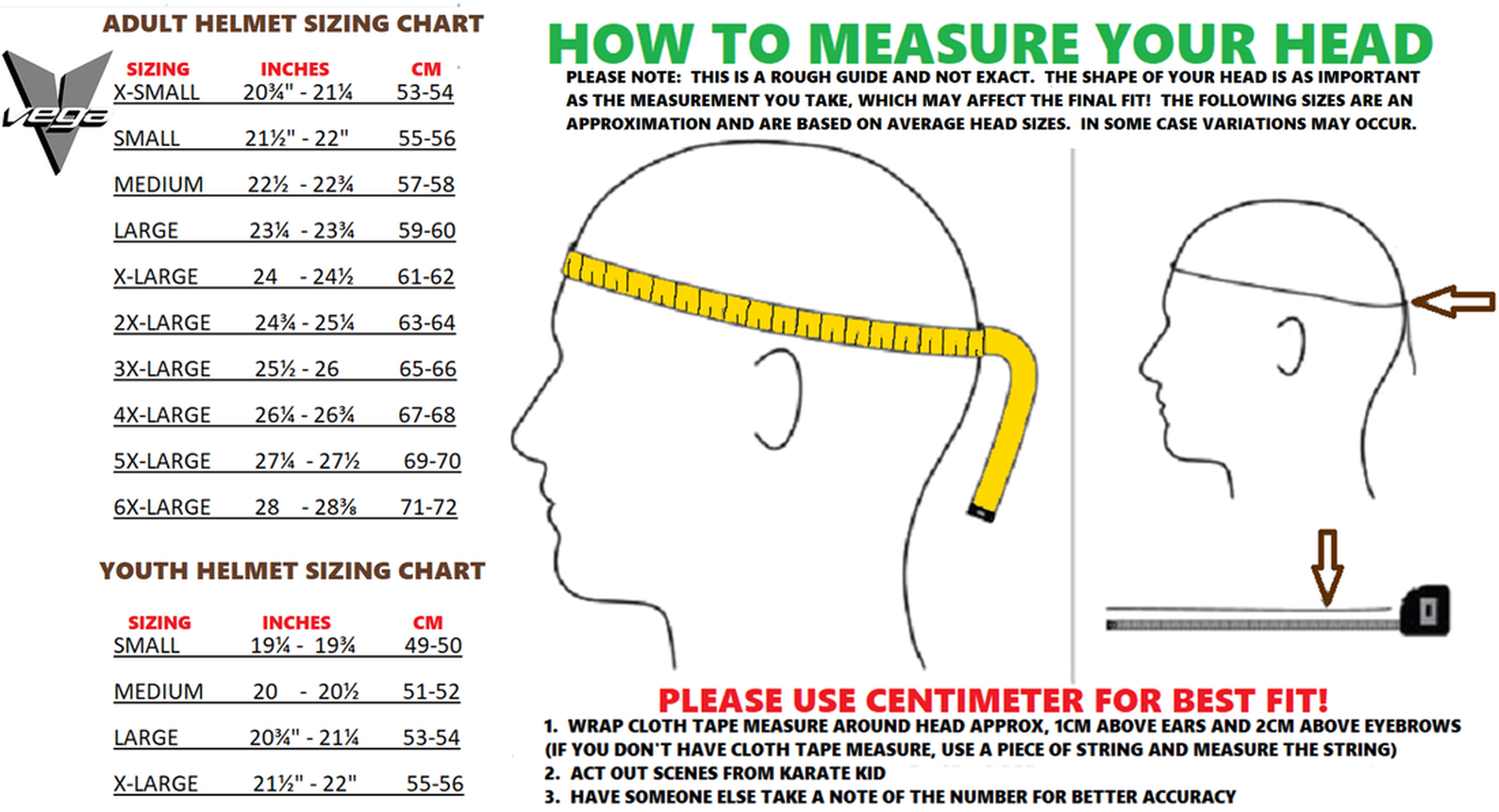
Image Source: www.vegahelmet.com
Why a Properly Fitted Helmet Matters
A helmet’s primary job is to protect your head from impact. If a helmet is too big, it might shift during a crash, leaving parts of your head exposed. If it’s too small, it won’t absorb the impact energy properly and may cause discomfort. A perfect fit allows the helmet to do its job effectively, minimizing the risk of head injury.
- Safety: A snug, properly fitted helmet absorbs impact energy and protects your skull.
- Comfort: A helmet that fits right is comfortable, preventing pressure points and distractions.
- Performance: A well-fitted helmet stays in place, providing a clear field of vision and enhancing focus.
What You’ll Need to Measure Your Head
Before you start, gather these simple tools:
- Soft Measuring Tape: A flexible cloth measuring tape is ideal. Avoid using a metal tape measure.
- Mirror: To help you see the positioning of the measuring tape.
- A Helper (Optional): While you can measure your head yourself, having someone help can make the process easier and more accurate.
Step-by-Step: Measuring Head for Helmet
Follow these steps to get an accurate head circumference measurement:
Step 1: Positioning the Measuring Tape
- Find the Right Spot: Place the measuring tape around your head, positioning it about one inch (2.5 cm) above your eyebrows and just above your ears. This is generally the widest part of your head.
- Keep it Level: Ensure the measuring tape is level all the way around your head. It should be parallel to the ground.
- Snug, Not Tight: The tape should be snug against your head, but not so tight that it compresses your hair or skin.
Step 2: Taking the Measurement
- Read the Measurement: Look at the point where the measuring tape overlaps. Note the measurement in centimeters (cm) or inches (in), depending on the helmet size chart you will be using.
- Double-Check: It’s always a good idea to measure twice to ensure accuracy. If you get different measurements, take an average of the two.
Step 3: Recording Your Measurement
- Write It Down: Record the measurement in both centimeters and inches if possible. This will be helpful when comparing your measurement to different helmet size charts.
Using a Helmet Size Chart
Once you have your head circumference measurement, you can use a helmet size chart to find your corresponding helmet size. Keep in mind that helmet sizes can vary slightly between manufacturers, so always consult the specific chart provided by the brand of the helmet you are interested in.
Here’s a sample helmet size chart as a general guideline:
| Size | Head Circumference (cm) | Head Circumference (in) |
|---|---|---|
| X-Small | 51-52 | 20-20.5 |
| Small | 53-54 | 20.9-21.3 |
| Medium | 55-56 | 21.7-22 |
| Large | 57-58 | 22.4-22.8 |
| X-Large | 59-60 | 23.2-23.6 |
| XX-Large | 61-62 | 24-24.4 |
Note: Always refer to the manufacturer’s specific helmet size chart for the most accurate determining helmet size.
Trying On a Helmet: What to Look For
After using the helmet sizing guide and choosing a size, it’s crucial to try the helmet on to ensure a proper fit.
The Initial Fit
- Easy On, Moderate Off: The helmet should slide onto your head relatively easily, but it should require a bit of effort to remove.
- No Pressure Points: There should be no noticeable pressure points or areas of discomfort.
- Snug All Around: The helmet should feel snug all around your head, but not too tight.
The Visual Check
- Eyebrow Test: With the helmet on, try to move it from side to side and front to back. If you can move the helmet freely, it’s too big. The helmet should move your skin with it. Push the helmet up from the back. If it easily comes off your head, it is too big. When you push from the back, your eyebrows should move.
The Jiggle Test
- Chin Strap Fastened: Fasten the chin strap and tighten it so that it’s snug but not constricting.
- Shake Your Head: Shake your head from side to side and up and down. The helmet should stay in place and not move independently of your head.
The Field of Vision
- Peripheral Vision: Ensure the helmet doesn’t obstruct your peripheral vision. You should have a clear field of view.
Important Helmet Fitting Tips
- Hair Considerations: If you typically wear your hair in a specific style (e.g., a ponytail) while wearing a helmet, wear your hair that way when measuring your head and trying on helmets.
- Eyewear: If you wear glasses, make sure they fit comfortably inside the helmet without being pressed against your face.
- Liners and Padding: Some helmets come with adjustable liners or padding that can be used to fine-tune the fit. Experiment with these to achieve the perfect fit.
- Break-In Period: Some helmets may feel slightly tighter when new and loosen up a bit after a few uses. Keep this in mind when assessing the fit.
Common Mistakes to Avoid When Measuring Helmet Size
- Measuring with a Metal Tape Measure: Metal tape measures are not flexible and can give inaccurate readings.
- Measuring Too Low or Too High: Not positioning the measuring tape correctly can result in an inaccurate measurement.
- Relying Solely on Size Charts: While size charts are a good starting point, always try on the helmet to ensure a proper fit.
- Ignoring Pressure Points: Pressure points can cause discomfort and headaches, so it’s important to find a helmet that fits comfortably.
- Buying a Helmet That’s Too Big: A helmet that’s too big won’t provide adequate protection.
The Importance of Replacing Your Helmet
Helmets are designed to absorb impact during a crash. After a significant impact, the helmet’s structure may be compromised, even if there’s no visible damage.
- After a Crash: Always replace your helmet after any crash, even if it seems undamaged.
- Every 3-5 Years: Helmet materials degrade over time, so it’s recommended to replace your helmet every 3-5 years, even if it hasn’t been involved in a crash.
- Check for Damage: Regularly inspect your helmet for cracks, dents, or other signs of damage.
Different Types of Helmets and Sizing
While the basic head circumference measurement remains the same, different types of helmets may have slightly different fitting considerations.
Bicycle Helmets
- Fit: Should sit level on your head and cover your forehead. The straps should form a “V” shape around your ears.
- Features: Often include adjustable fit systems for fine-tuning.
Motorcycle Helmets
- Fit: Should fit snugly all around your head with no pressure points. Check for proper cheek pad fit.
- Types: Full-face, modular, open-face, and half helmets. Each type has specific fit considerations.
Ski and Snowboard Helmets
- Fit: Should fit snugly over a thin beanie or balaclava. Ensure compatibility with your goggles.
- Features: Often include adjustable vents and fit systems.
Sports Helmets (e.g., Football, Hockey)
- Fit: Should fit snugly with proper padding to protect against impact.
- Sizing: Often requires professional fitting to ensure optimal protection.
Measuring Helmet Size at Home vs. Professional Fitting
While you can certainly measure your head and try on helmets at home, a professional fitting can offer several advantages.
Measuring Helmet Size at Home
Pros:
- Convenient and can be done at any time.
- Allows you to try on helmets from different brands and retailers.
Cons:
- May not be as accurate as a professional fitting.
- Requires a good understanding of helmet fit.
Professional Fitting
Pros:
- Ensures accurate head circumference measurement and helmet selection.
- Provides expert advice on helmet fit and features.
- Helps you find the best helmet for your specific needs and activities.
Cons:
- May require a trip to a specialty store.
- May involve a fitting fee.
Final Thoughts on Finding Correct Helmet Size
Finding the accurate helmet size is crucial for your safety and comfort. By following this helmet fit guide, taking an accurate head circumference measurement, and consulting a helmet size chart, you can confidently choose a helmet that provides optimal protection. Remember to always try on the helmet and check for a snug, comfortable fit. Don’t compromise on safety – take the time to find the perfect helmet for your needs. Using these helmet fitting tips will help ensure your safety during any activity.
Frequently Asked Questions (FAQ)
What is the best way to measure my head for a helmet?
Use a soft measuring tape to measure around your head, about one inch above your eyebrows and just above your ears. Keep the tape level and snug, but not too tight.
Can I use a regular tape measure to measure my head for a helmet?
No, you should use a soft, flexible measuring tape (cloth tape measure) to get an accurate measurement. A metal tape measure is not suitable.
Who is responsible for ensuring my helmet fits properly?
Ultimately, you are responsible for ensuring your helmet fits properly. Take the time to measure your head, consult size charts, and try on helmets to find the right fit.
Is it okay to buy a helmet online without trying it on?
It’s generally not recommended to buy a helmet online without trying it on first. However, if you know your head circumference and the helmet brand’s sizing is accurate, you can take a chance. Make sure the retailer has a good return policy.
What do I do if I’m between sizes on a helmet size chart?
If you’re between sizes, it’s generally recommended to choose the larger size and then use adjustable liners or padding to fine-tune the fit.
What if the helmet feels too tight?
A helmet should feel snug, but not too tight. If it feels uncomfortable or causes pressure points, it’s too small. Try a larger size or a different model.
Can I adjust the fit of my helmet after I buy it?
Many helmets have adjustable fit systems that allow you to fine-tune the fit. Some helmets also come with extra liners or padding that can be used to customize the fit.
How do I clean my helmet?
Follow the manufacturer’s instructions for cleaning your helmet. Generally, you can use mild soap and water to clean the shell and removable liners.
How often should I replace my helmet?
It’s recommended to replace your helmet every 3-5 years, even if it hasn’t been involved in a crash. Also, replace it after any crash.
Is your trusty helmet past its prime? Look for telltale signs like fissures, dings, or any other compromise to its protective shell or internal cushioning. A helmet that’s lost its snug fit or sports frayed or broken straps is definitely signaling its need for retirement and a replacement.

Hi, I’m Hector Quintanilla, the creator of helmetslab.com.. As a passionate enthusiast and experienced expert in helmets, I’ve dedicated this platform to sharing my insights, knowledge, and hands-on experiences. Whether you’re seeking the best helmet for safety, comfort, or performance, my goal is to guide you with detailed reviews, tips, and advice. Ride safe, and let’s explore the world of helmets together!