Can I modify my motorcycle helmet to accommodate glasses? Yes, you can create glasses space in a motorcycle helmet using various DIY methods. This guide explores those methods to provide a comfortable and safe riding experience for glasses wearers.
Riding a motorcycle with glasses can be a real pain. They fog up, they press against your temples, and sometimes they just plain don’t fit inside the helmet. Fortunately, you don’t have to choose between clear vision and motorcycle safety. Several methods exist for creating space for your glasses inside your motorcycle helmet, including DIY modifications. This guide will walk you through several approaches, from simple tweaks to more involved helmet customization, while also highlighting important safety considerations. Our goal is to offer information on adding glasses space to your motorcycle helmet and improve your overall riding experience and give you useful information on the best motorcycle helmets for glasses wearers..
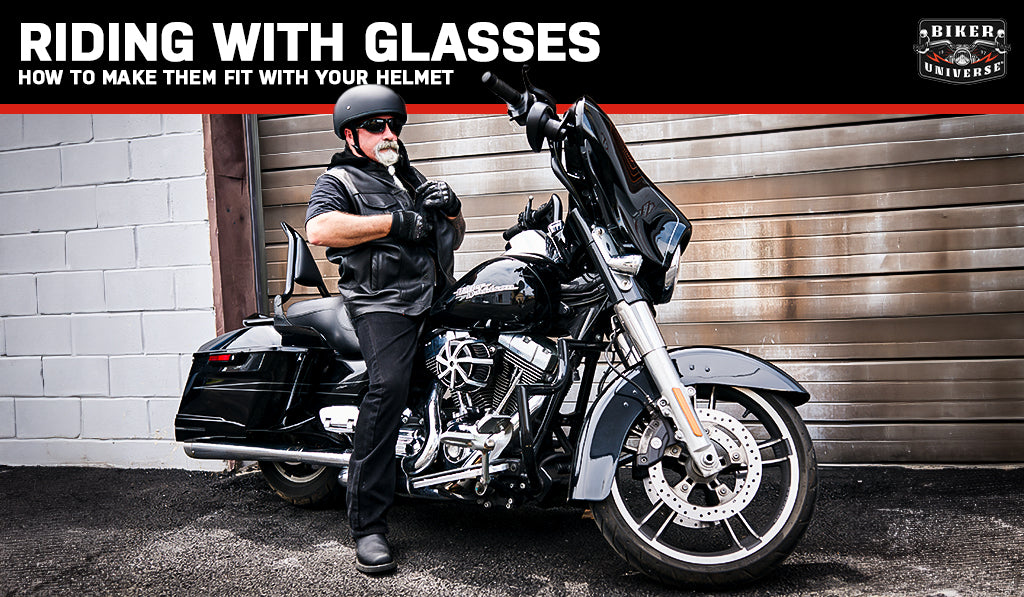
Image Source: bikeruniverse.com
Assessing the Need for Helmet Modification Glasses Comfort
Before grabbing your tools, determine if modifying your helmet is truly necessary.
Identifying Fit Issues
Pay close attention to how your glasses interact with your helmet. Common problems include:
- Temple pressure: The arms of your glasses pressing uncomfortably against your temples.
- Difficulty putting on/taking off the helmet: Glasses getting snagged or dislodged.
- Fogging: Reduced airflow leading to fogged lenses.
- Discomfort: General feeling of tightness or pressure.
- Insecure fit: Glasses move around too much within the helmet.
Helmet Compatibility Evaluation
Not all helmets are created equal when it comes to glasses. Some inherently offer more space and features that cater to glasses wearers.
- Internal Shape: Helmets with a more oval or elongated internal shape tend to be more glasses-friendly than rounder ones.
- Cheek Pad Design: Some helmets have thinner cheek pads or removable sections to accommodate glasses arms.
- Glasses Grooves: Certain helmets come equipped with built-in glasses grooves motorcycle helmet, specifically designed channels in the liner to house the arms of your glasses. These are sometimes advertised as “prescription glasses friendly motorcycle helmet.”
Exploring DIY Helmet Glasses Accommodation Solutions
If your helmet doesn’t naturally accommodate glasses, consider these DIY options:
Simple Adjustments
These are the easiest and least invasive methods.
- Glasses Selection: Start by choosing glasses with thin, flexible frames. Thicker frames create more pressure points.
- Temple Adjustment: Visit an optician to have your glasses professionally adjusted. Properly bent temples can significantly improve comfort.
- Positioning: Experiment with different positioning of your glasses within the helmet. Sometimes a slight shift can make a big difference.
Modifying Cheek Pads
This involves subtly altering the helmet’s interior to create more space.
Cutting and Shaping
- Materials: Sharp utility knife or scalpel, marking pen, sandpaper.
- Procedure:
- Marking: Carefully mark the areas on the cheek pads where the glasses arms cause pressure.
- Cutting: Use the knife to carefully remove small amounts of foam. Work gradually, testing the fit frequently.
- Shaping: Sand down any rough edges for a smooth finish.
- Safety: Avoid cutting too much foam, as this can compromise the helmet’s impact absorption.
Compression
- Method: Place your glasses inside the helmet, then apply pressure to the cheek pads in the area where the glasses arms sit.
- Tools: A clamp or vise can be used to apply consistent pressure.
- Duration: Leave the glasses in place for several hours or overnight to allow the foam to compress.
- Caution: Monitor the foam for excessive deformation.
Creating a Glasses Groove Motorcycle Helmet
This is a more involved modification that requires more skill and care.
Making a glasses cutout motorcycle helmet
- Tools: Rotary tool (Dremel), small grinding stone, sandpaper, safety glasses, dust mask, marking pen.
- Procedure:
- Marking: With your glasses in place inside the helmet, carefully mark the location of the arms on the helmet liner (EPS foam).
- Cutting: Use the rotary tool with the grinding stone to carefully remove foam along the marked lines. Work slowly and in small increments.
- Smoothing: Sand down the edges of the groove to create a smooth, rounded channel.
- Testing: Test the fit with your glasses frequently.
- Crucial Considerations:
- Depth: Don’t cut too deep. Only remove enough foam to comfortably accommodate the glasses arms without compromising the structural integrity of the helmet.
- Width: The groove should be wide enough to allow the glasses arms to move freely without binding.
- Smoothness: A smooth groove prevents pressure points and chafing.
Using a Hot Knife
- Tools: Hot knife (specifically designed for cutting foam), marking pen, sandpaper, safety glasses, dust mask.
- Procedure:
- Marking: Similar to using a rotary tool, mark the path of the glasses arms on the helmet liner.
- Cutting: Use the hot knife to carefully melt the foam along the marked lines. The hot knife creates a cleaner cut than a rotary tool, but still requires a steady hand.
- Smoothing: Lightly sand the edges for a smooth finish.
- Advantages: Cleaner cuts, less dust.
- Disadvantages: Requires a specialized tool, potential for fumes (ensure proper ventilation).
Adding Glasses Space to Motorcycle Helmet with Inserts
- What are Glasses Inserts? These are specialized foam pads designed to be inserted into your helmet liner to create a more comfortable fit for glasses.
- Types of Inserts: They come in various shapes and sizes to accommodate different glasses styles and helmet designs. Some are designed to create a channel for the glasses arms, while others simply add padding to reduce pressure points.
- Installation: Typically, they attach to the helmet liner using adhesive or hook-and-loop fasteners.
- Benefits: They’re a less invasive alternative to cutting or grinding the helmet liner. They can be easily removed or repositioned if needed.
- Drawbacks: They may not provide as customized a fit as a DIY glasses groove.
Choosing the Right Tools and Materials for Modifying Helmet for Glasses
Safety and precision are paramount.
- Sharp cutting tools: A dull knife is more dangerous than a sharp one. Use a fresh blade for clean cuts.
- Rotary tool with appropriate attachments: A Dremel or similar tool with a grinding stone or sanding drum is ideal for creating grooves.
- Sandpaper: Various grits for smoothing rough edges.
- Marking pen: For precisely marking cutting lines.
- Safety glasses: Protect your eyes from debris.
- Dust mask: Prevent inhalation of foam particles.
- Good lighting: Adequate visibility is essential for accurate work.
- Work gloves: Protect your hands.
Safety First: Critical Considerations
Modifying a motorcycle helmet can potentially compromise its protective capabilities if done incorrectly.
- Impact Absorption: The EPS (expanded polystyrene) foam liner is the primary impact absorption component of the helmet. Removing too much foam weakens the helmet’s ability to protect your head.
- Structural Integrity: The outer shell of the helmet provides structural support. Avoid any modifications that could damage or weaken the shell.
- Certification: Modifying a helmet may void its safety certification (DOT, ECE, Snell). Check local regulations.
- Professional Advice: If you are unsure about any aspect of helmet modification, consult a professional helmet technician.
- Gradual Adjustments: Always work in small increments, testing the fit frequently. It’s easier to remove more material than to put it back.
- Prioritize Safety: If at any point you feel that the modification is compromising the helmet’s safety, stop immediately.
Exploring Alternatives: Best Motorcycle Helmets for Glasses Wearers
Instead of modifying your current helmet, consider purchasing a helmet specifically designed for glasses wearers. These helmets typically feature:
- Pre-molded glasses grooves: Channels in the liner that comfortably accommodate glasses arms.
- Wide eyeports: Allows for a broader field of vision with glasses.
- Removable cheek pads: Easier to install and remove glasses.
- Quick-release systems: Facilitate easy helmet removal in case of an emergency, without snagging glasses.
Table: Comparison of Helmet Modification Methods
| Method | Difficulty | Cost | Pros | Cons | Safety Concerns |
|---|---|---|---|---|---|
| Simple Adjustments | Easy | Low | Simple, no helmet modification | May not be sufficient for all glasses types | None |
| Cheek Pad Modification | Medium | Low | Can improve comfort without significantly altering the helmet’s structure | Risk of removing too much foam, may not be effective for all glasses | Potential compromise of cheek pad’s protective function |
| Creating Glasses Groove | Hard | Low-Med | Provides customized fit | Requires skill and precision, risk of damaging the helmet, may void certification | Significant risk of compromising helmet’s impact absorption if too much foam is removed |
| Glasses Inserts | Easy | Low-Med | Easy to install and remove, less invasive than cutting the helmet | May not provide as customized a fit, may shift or become dislodged | Minimal, but ensure proper adhesion to avoid obstructing ventilation or vision |
| New Glasses-Friendly Helmet | N/A | Med-High | Designed specifically for glasses wearers, no modification needed | Higher initial cost, may require research to find the right fit | None, assuming helmet meets safety standards |
Motorcycle Helmet Glasses Insert Selection Criteria
If you’re opting for a new, glasses-friendly helmet, consider these factors:
- Fit: Prioritize a snug and comfortable fit. The helmet should fit properly even with glasses on.
- Glasses Compatibility: Look for helmets with features specifically designed for glasses wearers, such as pre-molded grooves.
- Ventilation: Adequate ventilation is crucial to prevent fogging.
- Visibility: A wide eyeport ensures good peripheral vision.
- Safety Certifications: Ensure the helmet meets DOT, ECE, or Snell standards.
- Reviews: Read online reviews from other glasses wearers.
Caring for Your Modified Helmet
- Regular Inspection: Inspect your helmet regularly for any signs of damage or wear, especially around the modified areas.
- Cleaning: Clean the helmet liner carefully, avoiding excessive moisture.
- Storage: Store the helmet in a cool, dry place away from direct sunlight.
Troubleshooting Common Issues
- Glasses Still Uncomfortable: Re-evaluate the fit and consider further adjustments or a different modification method.
- Fogging: Ensure proper ventilation and consider using anti-fog solutions.
- Helmet Feels Loose: This indicates that you may have removed too much foam. Consider replacing the helmet.
Interpreting Helmet Modification Glasses Space
Adding glasses space to a motorcycle helmet can significantly enhance your riding experience, but it’s essential to prioritize safety. By carefully assessing your needs, choosing the right modification method, and following safety guidelines, you can create a comfortable and secure fit for your glasses without compromising the protective capabilities of your helmet. If you’re not comfortable modifying your helmet yourself, consider purchasing a helmet specifically designed for glasses wearers. Helmet customization glasses space can be achieved by understanding the different products and approaches.
Frequently Asked Questions (FAQ)
Q: Will modifying my helmet void its warranty?
A: Yes, modifying your helmet will likely void its warranty.
Q: How much foam can I safely remove from my helmet?
A: It’s generally recommended to remove as little foam as possible. Only remove enough to comfortably accommodate your glasses arms. Removing too much foam can compromise the helmet’s impact absorption capabilities.
Q: Can I use a regular knife to cut the foam in my helmet?
A: Yes, but a sharp utility knife or scalpel is recommended for cleaner and more precise cuts. Be extremely careful when using any sharp cutting tool.
Q: Will adding glasses space make my helmet less safe?
A: It could, if not done correctly. By following the guidelines in this article, and prioritizing safety, you can minimize the risk of compromising the helmet’s protective capabilities. If you have any doubts, consult a professional.
Q: Where can I find glasses inserts for motorcycle helmets?
A: Glasses inserts are available from various online retailers and motorcycle accessory stores.
Q: What if I’m not comfortable modifying my helmet myself?
A: Consider purchasing a motorcycle helmet that is specifically designed for glasses wearers. These helmets have pre-molded glasses grooves or other features that make them more comfortable for people who wear glasses. Alternatively, consult a professional helmet technician.
Q: Is it safe to ride with my glasses under my motorcycle helmet?
A: It is generally safe to ride with glasses under your motorcycle helmet, but only if your glasses fit comfortably and securely without causing pressure points or obstructing your vision. If your glasses cause discomfort or affect your vision, you should consider modifying your helmet or purchasing a helmet designed for glasses wearers.
Q: How often should I replace my motorcycle helmet?
Give your head the protection it deserves by swapping out your motorcycle helmet every three to five years. Even if it looks pristine, the energy-absorbing foam inside degrades with age, losing its effectiveness. And if your helmet’s ever taken a hit, no matter how minor it seemed, internal damage could be lurking, rendering it unable to shield you as it should.

Hi, I’m Hector Quintanilla, the creator of helmetslab.com.. As a passionate enthusiast and experienced expert in helmets, I’ve dedicated this platform to sharing my insights, knowledge, and hands-on experiences. Whether you’re seeking the best helmet for safety, comfort, or performance, my goal is to guide you with detailed reviews, tips, and advice. Ride safe, and let’s explore the world of helmets together!