- How do I measure my head for a helmet? The best way to measure your head for a helmet is to use a flexible measuring tape and wrap it around the widest part of your head, about one inch above your eyebrows. This measurement provides your head circumference, which you can then use to consult a helmet sizing guide from the helmet manufacturer. Getting an accurate head measurement is the first step to finding the correct helmet size.
Choosing the right helmet is essential for safety, whether you’re cycling, motorcycling, skiing, or engaging in any activity where head protection is necessary. A helmet that fits properly can significantly reduce the risk of injury in case of an accident. This guide will walk you through the process of measuring head for helmet fit, helmet size determination, and ultimately securing a helmet that offers optimal protection and comfort. We’ll explore the head measurement technique and how to interpret a head size chart to ensure your safety on your adventures.
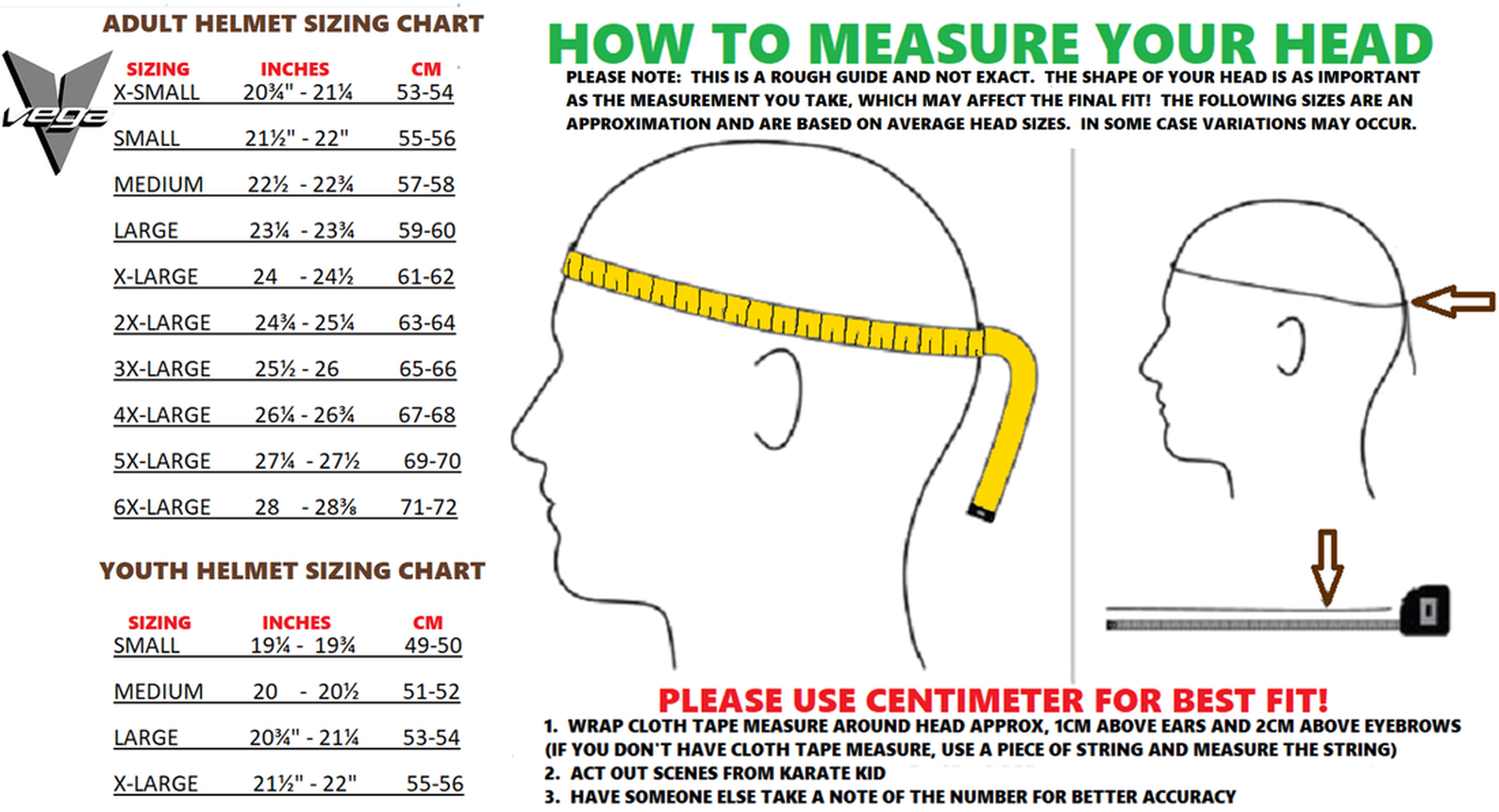
Image Source: www.vegahelmet.com
Why is Helmet Fit So Important?
A helmet’s primary function is to absorb impact and protect your head from injury. If a helmet is too loose, it can shift during an impact, leaving parts of your head exposed or reducing the helmet’s ability to absorb energy effectively. A helmet that is too tight, on the other hand, can be uncomfortable and may not provide adequate impact absorption because the liner is compressed too much.
Here’s why a proper fit matters:
- Maximum Protection: A snug fit ensures the helmet can absorb and distribute impact forces correctly.
- Stability: A well-fitted helmet stays in place during an accident, preventing it from coming off or shifting.
- Comfort: A comfortable helmet is one you’ll actually wear, making safety second nature.
- Aerodynamics (for cycling/motorcycling): A properly fitted helmet can improve aerodynamics, particularly important for performance-oriented activities.
Tools You’ll Need
Before you start, gather these simple tools:
- Flexible Measuring Tape: Cloth or plastic measuring tape works best. Avoid metal measuring tapes, as they’re not flexible and can be inaccurate.
- Mirror: Helpful for ensuring the tape is positioned correctly, especially when measuring the back of your head.
- Helper (Optional): While you can measure your head on your own, a friend or family member can make the process easier and more accurate.
- Pen and Paper (or Smartphone): To record your head circumference measurement.
Step-by-Step Guide to Measuring Your Head
Follow these steps carefully to get an accurate head measurement:
Step 1: Prepare for Measurement
- Remove Hair Accessories: Take out any hair clips, headbands, or anything else that could interfere with the measurement.
- Positioning: Stand in front of a mirror to ensure correct tape placement.
Step 2: Taking the Measurement
- Tape Placement: Position the measuring tape around your head, about one inch (2.5 cm) above your eyebrows and just above your ears. This is generally the widest part of your head.
- Level Measurement: Make sure the tape is level all the way around your head. It should be parallel to the ground. Use the mirror to check the back of your head.
- Snug Fit: The tape should be snug but not too tight. It should feel comfortable and not dig into your skin.
- Read the Measurement: Look at the point where the tape overlaps and record the measurement in centimeters (cm) or inches (in).
Step 3: Double-Check Your Measurement
- Repeat: Take the measurement two or three times to ensure consistency and accuracy.
- Average (if necessary): If your measurements vary slightly, take the average of the readings.
A Visual Aid to Measurement
| Step | Description | Image (Description) |
|---|---|---|
| 1 | Place the measuring tape above your eyebrows. | Image showing the placement of the tape above the eyebrows, encircling the head. |
| 2 | Ensure the tape is level around your head. | Image showing the tape level and parallel to the ground, especially at the back of the head. |
| 3 | Read the measurement where the tape overlaps. | Image showing the point of overlap on the tape, with a clear reading of the head circumference. |
Interpreting Your Head Measurement: Using a Helmet Sizing Guide
Once you have your head circumference measurement, the next step is to consult the manufacturer’s helmet sizing guide. Most helmet brands provide a head size chart that correlates head circumference to helmet size (e.g., Small, Medium, Large).
General Helmet Size Chart (Example)
This table is for reference only. Always check the specific manufacturer’s sizing chart.
| Size | Head Circumference (cm) | Head Circumference (inches) |
|---|---|---|
| X-Small | 51-52 | 20.1-20.5 |
| Small | 53-56 | 20.9-22.0 |
| Medium | 57-60 | 22.4-23.6 |
| Large | 61-63 | 24.0-24.8 |
| X-Large | 64-65 | 25.2-25.6 |
Important Considerations for Helmet Size Determination:
- Brand Variation: Helmet sizes can vary slightly between brands. Always check the specific sizing chart for the brand you are considering.
- Activity-Specific Sizing: Some activities, like cycling or skiing, may have specific sizing recommendations.
- In-Between Sizes: If your measurement falls between two sizes, it’s generally recommended to choose the larger size and use padding to achieve a snug fit. Many helmets come with removable padding for customization.
Beyond Measurement: Trying On the Helmet
Measuring your head is just the first step. Trying on the helmet is crucial to ensuring a perfect fit. Here’s what to look for:
Initial Fit
- Ease of Entry: The helmet should slide onto your head without excessive force but should not be too loose.
- Snugness: The helmet should feel snug all around your head, without any pressure points.
- Movement Test: With the helmet on and the chinstrap unbuckled, try shaking your head gently from side to side and front to back. The helmet should move with your head and not slide independently.
Checking the Straps and Buckle
- Chinstrap Adjustment: Adjust the chinstrap so it sits comfortably under your chin. There should be enough slack to allow you to open your mouth wide, but not so much that the helmet can be pulled off.
- Buckle Security: Ensure the buckle is secure and easy to fasten and unfasten.
- Strap Placement: The straps should lie flat against your face and not interfere with your ears.
Additional Fit Checks
- Forehead Test: Push the helmet up from the back. It shouldn’t move forward more than an inch or two. If it does, the helmet is too big.
- Side-to-Side Test: Try to rotate the helmet from side to side. Again, it should move with your head and not independently.
Common Mistakes to Avoid When Measuring and Fitting
- Incorrect Tape Placement: Measuring too high or too low on your head can result in inaccurate results.
- Ignoring the Brand’s Sizing Chart: Sizes vary between brands, so relying on a generic chart can lead to a poor fit.
- Assuming All Helmets Fit the Same: Head shapes differ, and not all helmets are designed for every head shape.
- Compromising on Comfort: A helmet should be comfortable enough to wear for extended periods. Don’t sacrifice comfort for the sake of a “deal.”
- Not Replacing an Old Helmet: Helmets should be replaced after any impact or every 3-5 years, as the materials degrade over time.
Helmet Fit Guide: Types of Head Shapes
Not all heads are created equal! Different head shapes may require different helmet designs for the best fit. Here are some common head shapes:
- Round: The circumference and the width of the head are similar.
- Oval: The head is longer from front to back than it is wide.
- Intermediate Oval: A shape between round and oval.
Many helmet manufacturers now design helmets specifically for different head shapes. Look for descriptions like “round fit” or “oval fit” when shopping. Some helmets also offer adjustable internal shapes to customize the fit even further.
Head Measurement Technique: Customizing the Fit
Even with a properly sized helmet, you may need to make some adjustments to achieve the perfect fit. Here are some common customization options:
- Padding: Many helmets come with removable padding that can be added or removed to fine-tune the fit.
- Adjustable Fit Systems: Some helmets have adjustable fit systems, such as dials or inflatable bladders, that allow you to customize the fit on the go.
- Cheek Pads (for Motorcycle Helmets): Motorcycle helmets often have replaceable cheek pads of different thicknesses to accommodate different face shapes.
Caring for Your Helmet
Proper care and maintenance can extend the life of your helmet and ensure it continues to provide optimal protection.
- Cleaning: Clean your helmet regularly with mild soap and water. Avoid using harsh chemicals or solvents, as they can damage the helmet’s materials.
- Storage: Store your helmet in a cool, dry place away from direct sunlight.
- Inspection: Regularly inspect your helmet for cracks, dents, or other damage. If you notice any damage, replace the helmet immediately.
- Replacement: Replace your helmet after any impact, even if there is no visible damage. The helmet’s internal structure may be compromised. It’s also recommended to replace your helmet every 3-5 years, as the materials degrade over time.
Conclusion: Prioritizing Safety with a Properly Fitted Helmet
A properly fitted helmet is the most important piece of safety equipment you can have. By following this comprehensive guide to measuring head for helmet fit, consulting a helmet sizing guide, and taking the time to try on and adjust your helmet, you can ensure optimal protection and comfort. Don’t compromise on safety – invest in a helmet that fits well and suits your specific activity.
Frequently Asked Questions (FAQ)
-
What if my head measurement falls between two sizes on the chart?
- It’s generally recommended to choose the larger size and use padding to achieve a snug fit.
-
Can I use a hat to take the measurement?
- No, it’s best to measure your head without any hats or hair accessories. These can add bulk and lead to an inaccurate result.
-
How often should I replace my helmet?
- Replace your helmet after any impact, even if there is no visible damage, or every 3-5 years, as the materials degrade over time.
-
Can I buy a used helmet?
- It’s not recommended to buy a used helmet, as you may not know its history. The helmet may have been involved in an accident and its protective capabilities compromised.
-
What if I have a unique head shape?
- Try on several different helmet brands and styles to find one that fits your head shape best. Look for helmets with adjustable fit systems and customizable padding. If you still can’t find a comfortable fit, consult a professional fitter.
-
Is there a difference between men’s and women’s helmets?
- Some manufacturers offer helmets specifically designed for women, which may have different sizing and padding configurations to better fit female head shapes.
-
What is MIPS, and should I look for it in a helmet?
- MIPS (Multi-directional Impact Protection System) is a technology designed to reduce rotational forces to the brain during an impact. While not a requirement, it’s a valuable feature to consider when purchasing a helmet for added protection.
Arm yourself with the knowledge of precise head measurement and you’ll unlock the secret to selecting a helmet that champions both your well-being and your comfort, no matter the adventure. Prioritize your safety – it’s your ultimate armor!

Hi, I’m Hector Quintanilla, the creator of helmetslab.com.. As a passionate enthusiast and experienced expert in helmets, I’ve dedicated this platform to sharing my insights, knowledge, and hands-on experiences. Whether you’re seeking the best helmet for safety, comfort, or performance, my goal is to guide you with detailed reviews, tips, and advice. Ride safe, and let’s explore the world of helmets together!