A good welding helmet is a shield that protects your eyes and face from burns, sparks, and radiation. Choosing the right one involves finding the best balance of protection, comfort, and features that fit your needs and budget. This guide will help beginners select the ideal welding helmet.
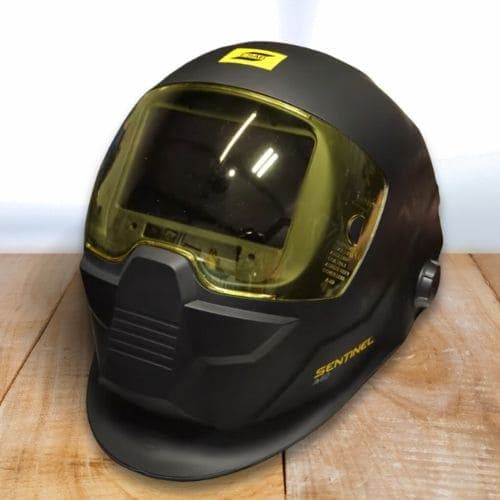
Image Source: proweldinghelmets.com
Why a Welding Helmet is Essential
Welding is dangerous. The intense light and heat produced can cause serious and permanent eye damage, including arc eye (photokeratitis) and cataracts. Hot sparks and molten metal can burn your skin. A welding helmet is not just a piece of equipment; it’s crucial for your safety and well-being. It prevents these injuries, letting you focus on your work safely.
Dangers of Welding Without Proper Protection
Welding creates hazards that can cause lasting harm. The bright light can burn your eyes instantly. Sparks can set clothing on fire or cause skin burns. Wearing a quality welding helmet keeps you safe.
Key Considerations When Choosing a Welding Helmet
Choosing the right welding helmet involves looking at several things. Safety, features, and comfort are all important. Here’s what to think about:
Welding Helmet Safety Standards
- ANSI Z87.1: This is the main safety standard for welding helmets in the United States. Make sure any helmet you buy meets this standard. It means the helmet has passed impact, penetration, and radiation protection tests.
- EN175: This European standard is another mark of quality. Helmets meeting this standard provide reliable protection.
- CSA Standard: Canadian Standards Association sets the standards for safety equipment in Canada, including welding helmets.
Auto Darkening Helmet Features
What are auto darkening helmet features? Auto-darkening helmets (ADHs) automatically darken when they sense the bright light of a welding arc. This lets you see clearly before, during, and after welding without lifting your helmet. Here are some important ADH features:
-
Viewing Area Size: The viewing area is the space you see through the lens. A larger area lets you see more of your work. This can help you weld more accurately and safely.
- Small Viewing Area: Good for tight spaces and detailed work.
- Large Viewing Area: Offers a wider view of the welding area.
-
Number of Sensors: Sensors detect the welding arc. More sensors mean better detection, especially when welding in awkward positions.
-
Two Sensors: Usually found in cheaper helmets.
- Three or Four Sensors: Provide better performance and reliability.
- Response Time: This is how fast the lens darkens when it detects the welding arc. A faster response time protects your eyes better. Look for response times under 1/25,000 of a second.
-
Sensitivity and Delay Controls: Sensitivity adjusts how easily the helmet detects the welding arc. Delay controls adjust how long the lens stays dark after the arc stops.
-
Sensitivity: Adjust to suit different welding processes and light levels.
- Delay: Adjust to prevent eye strain after welding.
- Grind Mode: Some ADHs have a grind mode. This keeps the lens clear while grinding, protecting your eyes from sparks and debris.
Optimal Shade Level Welding Helmet
What is the optimal shade level welding helmet? The shade level determines how dark the lens gets. Different welding processes need different shade levels to protect your eyes.
- Shade 9-13: This range is common for most welding processes like MIG, TIG, and stick welding.
- Lower Shades (5-8): Used for plasma cutting or low-amperage TIG welding.
- Higher Shades (13-15): Used for high-amperage welding processes.
Always consult the manufacturer’s recommendations for the correct shade level for your specific welding process.
Here is a general guideline for selecting shade levels:
| Welding Process | Amperage Range | Recommended Shade |
|---|---|---|
| SMAW (Stick) | < 80 | 4-5 |
| 80-175 | 5-6 | |
| 175-400 | 6-8 | |
| GMAW (MIG) | < 50 | 4-5 |
| 50-175 | 5-6 | |
| 175-400 | 6-8 | |
| GTAW (TIG) | < 50 | 4-5 |
| 50-175 | 5-8 | |
| 175-400 | 8-12 | |
| Cutting (Oxyfuel) | Light | 3-4 |
| Medium | 4-5 | |
| Heavy | 5-6 |
Comfortable Welding Helmet Options
A comfortable helmet is key for long welding sessions. Look for these features:
- Adjustable Headgear: This lets you customize the fit to your head size and shape. A well-fitting helmet stays in place and reduces strain.
- Padded Headband: Padding adds comfort, especially during long welds.
- Lightweight Design: A lighter helmet reduces neck strain.
- Balanced Weight Distribution: Make sure the helmet’s weight is evenly distributed to avoid pressure points.
Welding Helmet Lens Technology
What welding helmet lens technology is best? Modern welding helmets use advanced lens tech to improve vision and reduce eye strain.
- True Color Lens: These lenses show colors more accurately. This helps you see your work better and reduces eye fatigue.
- Wide Viewing Angle: Lenses with a wide viewing angle offer a broader view of the welding area.
- Anti-Fog Coating: Prevents the lens from fogging up in humid conditions, keeping your vision clear.
- UV/IR Protection: All quality helmets block harmful ultraviolet (UV) and infrared (IR) radiation, even when the lens is clear.
Welding Helmet Viewing Area Size
What is the best welding helmet viewing area size? The best viewing area size depends on your welding style and preferences. Larger viewing areas improve visibility and reduce the need to move your head. Smaller areas are lighter and cheaper.
- Small (Less than 6 sq. inches): Good for tight spaces and detailed work.
- Medium (6-9 sq. inches): A good balance of size and weight for most welders.
- Large (Over 9 sq. inches): Offers maximum visibility, ideal for complex projects.
Welding Helmet Price Range
What is the typical welding helmet price range? Welding helmet prices vary widely, based on features, brand, and quality.
- Entry-Level Helmets ($50 – $100): Basic auto-darkening helmets suitable for occasional use or beginners. They may have fewer features and a smaller viewing area.
- Mid-Range Helmets ($100 – $300): Offer better performance, larger viewing areas, and more adjustability. Good for regular use and professional welders.
- High-End Helmets ($300+): Top-of-the-line helmets with advanced features like true color lenses, large viewing areas, and superior comfort. Designed for heavy use and demanding welding tasks.
Best Welding Helmet Brands
Who are the best welding helmet brands? Several brands are known for making quality welding helmets. Here are some of the best:
- Lincoln Electric: A leading brand with a wide range of helmets for all skill levels.
- Miller Electric: Known for their high-quality, innovative helmets.
- Hobart: Offers reliable helmets at a good price.
- ESAB: A popular brand with a focus on advanced lens technology.
- 3M: Provides top-notch helmets with a focus on safety and comfort.
Choosing a Welding Helmet for Beginners
What is the best welding helmet for beginners? If you’re just starting, look for a helmet that is easy to use, safe, and comfortable.
- Auto-Darkening Helmet: An auto-darkening helmet is a must-have for beginners. It simplifies the welding process and improves safety.
- Adjustable Shade Range: Choose a helmet with a shade range that covers the welding processes you plan to use.
- Comfortable Fit: Make sure the helmet fits well and is comfortable to wear for extended periods.
- Reputable Brand: Stick with well-known brands that have a good reputation for quality and safety.
Welding Helmet Lifespan and Maintenance
What is the typical welding helmet lifespan and what maintenance is required? A welding helmet can last for many years with proper care. Here are some tips for keeping your helmet in good condition:
- Clean the Lens Regularly: Use a soft cloth and mild cleaner to remove dirt and grime.
- Store the Helmet Properly: Keep the helmet in a clean, dry place when not in use.
- Replace Worn Parts: Replace damaged or worn parts, like the lens or headgear, to maintain safety and comfort.
- Check the Batteries: If your helmet has an auto-darkening lens, check the batteries regularly and replace them as needed.
- Inspect Regularly: Look for cracks, damage, or wear on the helmet and lens.
Frequently Asked Questions (FAQ)
- Can I use a regular face shield for welding? No, regular face shields do not provide enough protection from the intense light and radiation of welding. Always use a welding helmet that meets ANSI Z87.1 standards.
- How do I know what shade level to use? The correct shade level depends on the welding process and amperage. Refer to the helmet manufacturer’s recommendations or a welding shade chart.
- Is a more expensive welding helmet always better? Not necessarily. More expensive helmets often have more features and better comfort, but a mid-range helmet from a reputable brand may be sufficient for many welders.
- How do I adjust the sensitivity and delay settings on my auto-darkening helmet? Refer to the helmet’s instruction manual for specific instructions. Generally, sensitivity controls how easily the lens darkens, and delay controls how long it stays dark after the arc stops.
- What causes “arc eye,” and how can I prevent it? Arc eye (photokeratitis) is caused by exposure to the intense ultraviolet (UV) radiation from welding. Always wear a welding helmet with the correct shade level to prevent this painful condition.
Selecting your ideal welding helmet is a crucial move to safeguard your well-being and boost your working comfort. By carefully weighing these factors and diving into your research, you’re sure to discover the helmet that precisely fits your welding demands.

Hi, I’m Hector Quintanilla, the creator of helmetslab.com.. As a passionate enthusiast and experienced expert in helmets, I’ve dedicated this platform to sharing my insights, knowledge, and hands-on experiences. Whether you’re seeking the best helmet for safety, comfort, or performance, my goal is to guide you with detailed reviews, tips, and advice. Ride safe, and let’s explore the world of helmets together!