A smart bicycle helmet is a helmet equipped with technology beyond basic impact protection, designed to enhance safety, connectivity, and overall riding experience. These helmets often include features such as crash detection, integrated lights, communication systems, and even augmented reality displays. This article explores the world of the intelligent cycling helmet and what makes them a crucial investment for today’s cyclist.
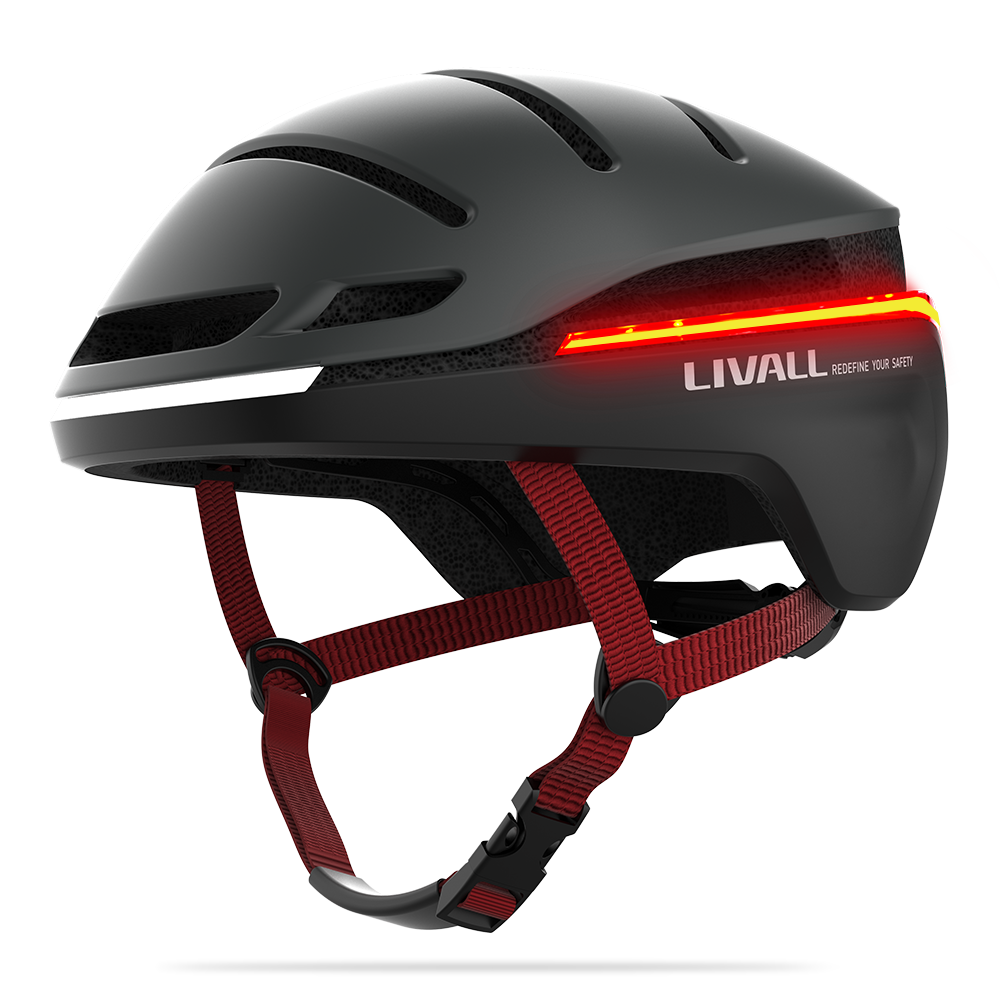
Image Source: livall.com
Enhancing Cycling Safety with Technology
The primary goal of any bicycle helmet is safety. But a smart helmet takes this a step further. These helmets use technology to help prevent accidents and mitigate their consequences if they do occur.
Smart Helmet Features That Prioritize Safety
- Crash Detection: Many connected bike helmet models have built-in sensors that can detect a severe impact. If a crash is detected, the helmet can automatically alert emergency contacts with your location.
- Integrated Lights: Visibility is critical for cyclists, especially in low-light conditions. Helmets with integrated front and rear lights dramatically increase rider visibility to motorists and pedestrians. Some lights even act as turn signals!
- Impact Sensors: Beyond crash detection, some smart helmets have sensors that track impact forces during smaller incidents, providing data for possible future design enhancements.
- Fall Detection: Similar to crash detection, this feature can identify when a rider has fallen (not necessarily crashed) and trigger emergency contacts.
Table: Comparing Traditional vs. Smart Helmet Safety Features
| Feature | Traditional Helmet | Smart Helmet |
|---|---|---|
| Impact Protection | Yes | Yes, often with enhanced materials |
| Visibility | Limited | Integrated lights, reflective elements |
| Crash Detection | No | Yes, with automatic emergency contact alerts |
| Communication | No | Optional, built-in communication systems (Bluetooth, etc.) |
| Data Tracking | No | Some models track ride data and impact forces |
Connectivity: Staying in Touch on the Road
Beyond safety, connectivity is a key component of the appeal of a smart helmet. Helmets with communication systems allow riders to stay connected without taking their hands off the handlebars or their eyes off the road.
Communication Systems In Smart Helmets
- Bluetooth Connectivity: Most smart helmets use Bluetooth to connect to smartphones. This enables features like:
- Music Playback: Listen to music or podcasts while you ride.
- Phone Calls: Make and receive calls hands-free.
- GPS Navigation: Receive turn-by-turn directions.
- Walkie-Talkie Functionality: Some helmets allow riders to communicate with each other directly via built-in intercom systems. This is especially useful for group rides.
- Voice Control: Control various helmet functions with voice commands, improving safety by keeping your hands free.
Augmented Reality Bike Helmet: The Future of Cycling?
Augmented reality (AR) is beginning to make its way into the cycling world, with some helmets featuring heads-up displays (HUDs) that project information directly into the rider’s field of vision.
- Navigation: See turn-by-turn directions overlaid on the road ahead.
- Performance Data: View real-time speed, distance, and heart rate information.
- Safety Alerts: Receive warnings about upcoming hazards or traffic conditions.
Smart Helmet Benefits: Why Invest?
What are the actual advantages of purchasing an intelligent cycling helmet? The benefits go far beyond simple head protection.
Enhanced Safety and Security
- Quicker Response in Emergencies: Automated crash detection and emergency alerts mean help arrives faster in the event of an accident.
- Improved Visibility: Integrated lights make you more visible to other road users, reducing the risk of collisions.
- Peace of Mind: Knowing that your helmet has your back in an emergency can improve confidence and reduce stress while riding.
Improved Riding Experience
- Hands-Free Communication: Stay connected without compromising safety.
- Entertainment and Motivation: Listen to music or podcasts to make rides more enjoyable.
- Data Tracking and Analysis: Monitor your performance and track your progress over time.
Safety Tech For Cyclists: A Community Effort
- Data Sharing (Anonymized): Some smart helmet manufacturers collect anonymized data from their users to improve helmet design and safety features.
- Community Alerts: A future possibility is a system where helmets can alert riders to road hazards reported by other users, creating a safer cycling community.
Grasping the Technology Inside
Let’s look at the technology powering smart helmets.
Types of Sensors
- Accelerometer: Measures acceleration forces, used for crash detection and activity tracking.
- Gyroscope: Measures rotational motion, helps to determine the rider’s orientation.
- GPS: Tracks location for navigation and emergency alerts.
- Heart Rate Sensor: Some models integrate with heart rate monitors to track rider fitness.
Power and Battery Life
- Battery Type: Most smart helmets use rechargeable lithium-ion batteries.
- Battery Life: Battery life varies depending on the features used, but most helmets offer several hours of runtime.
- Charging: Helmets are typically charged via USB.
Materials and Construction
- Outer Shell: Usually made of durable polycarbonate or ABS plastic.
- Inner Liner: Made of expanded polystyrene (EPS) foam to absorb impact energy.
- Smart Components: Electronic components are carefully integrated into the helmet structure without compromising safety.
Choosing the Right Smart Helmet
There are lots of things to think about when buying a smart helmet.
Key Considerations
- Safety Certifications: Make sure the helmet meets relevant safety standards, such as CPSC (USA) or EN 1078 (Europe).
- Fit and Comfort: A properly fitting helmet is crucial for safety and comfort. Try on different sizes and styles to find the best fit.
- Features: Decide which features are most important to you, such as crash detection, integrated lights, or communication systems.
- Battery Life: Consider how long you typically ride and choose a helmet with adequate battery life.
- Price: Smart helmets range in price from a few hundred dollars to over a thousand. Set a budget and find a helmet that meets your needs within your price range.
Table: Comparing Popular Smart Helmet Brands
| Brand | Key Features | Price Range |
|---|---|---|
| Sena | Communication systems, Bluetooth connectivity, integrated speakers and microphone | $$$ |
| Livall | Integrated lights, crash detection, SOS alert, turn signals | $$ |
| Lumos | Bright integrated lights, turn signals, brake lights, smartphone app integration | $$ |
| POC | Focus on safety features and integrates MIPS (Multi-directional Impact Protection System) | $$$ |
| Unit 1 | Modular design, great battery life, good communication with mobile app | $$$ |
Maintenance and Care
- Cleaning: Clean the helmet with mild soap and water. Avoid harsh chemicals or solvents.
- Storage: Store the helmet in a cool, dry place away from direct sunlight.
- Impact Inspection: Replace the helmet after any significant impact, even if there is no visible damage.
- Battery Care: Follow the manufacturer’s instructions for charging and storing the battery.
Fathoming Future Trends
Smart helmet technology continues to evolve rapidly.
Potential Future Innovations
- Advanced AR Displays: More immersive and informative AR displays that provide real-time data and navigation.
- AI-Powered Safety Features: Artificial intelligence could be used to predict potential hazards and provide riders with proactive warnings.
- Improved Battery Technology: Longer battery life and faster charging times.
- Seamless Integration: Integration with other smart devices and cycling apps.
Conclusion: Is a Smart Helmet Right for You?
If you are a cyclist who values safety, connectivity, and performance, a smart helmet can be a worthwhile investment. While they are more expensive than traditional helmets, the added features and benefits can significantly enhance your riding experience and provide greater peace of mind. By considering your needs, budget, and the available options, you can choose a smart helmet that is perfect for you.
Frequently Asked Questions (FAQ)
What is the average lifespan of a smart helmet?
The lifespan of a smart helmet is generally 3-5 years, depending on usage and care. However, it should be replaced immediately after any significant impact.
Can I use a smart helmet in the rain?
Many smart helmets are water-resistant, but not all are fully waterproof. Check the manufacturer’s specifications to determine the helmet’s water resistance rating.
Are smart helmets comfortable to wear?
Most smart helmets are designed with comfort in mind and feature adjustable straps and padding. However, it’s essential to try on different models to find one that fits well and feels comfortable.
How do I connect my smart helmet to my smartphone?
Most smart helmets connect to smartphones via Bluetooth. Follow the manufacturer’s instructions to pair the helmet with your phone.
Who is responsible if the crash detection system malfunctions?
The responsibility for a smoothly operating crash detection system typically rests with the manufacturer. Yet, it’s crucial to understand that no technology is infallible, so riders must always put their personal safety and vigilance first.

Hi, I’m Hector Quintanilla, the creator of helmetslab.com.. As a passionate enthusiast and experienced expert in helmets, I’ve dedicated this platform to sharing my insights, knowledge, and hands-on experiences. Whether you’re seeking the best helmet for safety, comfort, or performance, my goal is to guide you with detailed reviews, tips, and advice. Ride safe, and let’s explore the world of helmets together!