Why would an infant wear a helmet? Infants typically wear helmets to correct head shape abnormalities like flat spots, often caused by positional skull deformation, or to protect the head after surgery or in cases of certain medical conditions. This infant helmet therapy is a common practice, but it’s important to know when a baby helmet is needed and to address any concerns with your pediatrician.
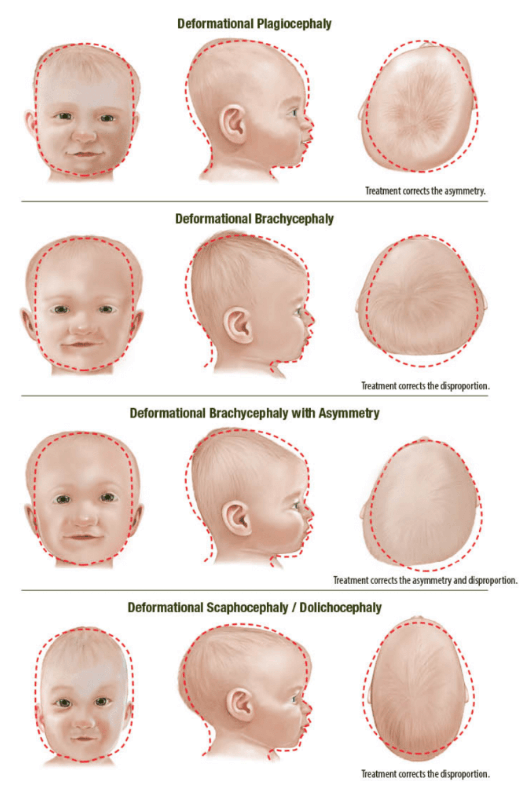
Image Source: appliedbiomechanics.com
What Causes Infants to Need Helmets?
Several reasons can lead to a doctor prescribing a helmet for a baby. These reasons generally fall into two main categories: skull shape abnormalities and, less commonly, protecting the head after surgery.
Positional Skull Deformation: The Primary Reason
The most common reason for pediatric helmet indications is positional skull deformation. This means the baby’s head has an unusual shape due to pressure. It’s important to know that a baby helmet flat head is often a very effective treatment. Positional skull deformation comes in several forms:
- Plagiocephaly: This is the most common type, characterized by a flattening on one side of the back of the head. This can also cause the forehead and face to shift slightly.
- Brachycephaly: This involves a flattening across the entire back of the head, often making the head appear wider.
- Scaphocephaly: This results in a long, narrow head shape, often seen in premature infants who spend extended time in the NICU.
What Causes Positional Skull Deformation?
Several factors can contribute to these conditions:
- Sleeping Position: Babies spending a lot of time on their backs (supine position), as recommended to reduce the risk of SIDS, can develop flat spots.
- Torticollis: This condition involves tightening of the neck muscles, making it difficult for the baby to turn their head fully. Torticollis helmet usage can be linked, as the limited movement can lead to pressure on one side of the skull.
- Prematurity: Premature babies have softer skulls and less head control, making them more susceptible to positional skull deformation.
- In Utero Constraint: Limited space in the womb can also cause pressure on the baby’s head.
Craniosynostosis: A Less Common, But Important, Consideration
Craniosynostosis is a birth defect where one or more of the fibrous joints between the bones of a baby’s skull fuse prematurely. This can restrict brain growth and lead to an abnormally shaped head. While surgery is the primary treatment, a cranial remolding orthosis (helmet) might be used after surgery to help shape the skull. This is much less common than using helmets for positional skull deformation.
Post-Surgical Protection
In rare cases, a helmet might be recommended after cranial surgery to protect the baby’s head during the healing process.
How Does Infant Helmet Therapy Work?
Infant helmet therapy involves using a custom-made helmet to gently reshape the baby’s skull over time. The helmet works by:
- Redirecting Growth: The helmet provides space for growth in the flattened areas while applying gentle pressure to the prominent areas.
- Consistent Pressure: The helmet applies consistent pressure to the skull, encouraging it to remodel.
The process typically involves:
- Evaluation: A specialist assesses the baby’s head shape to determine if helmet therapy is appropriate. Measurements are taken to quantify the severity of the deformation.
- Casting or Scanning: A mold or 3D scan of the baby’s head is taken to create a custom-fitted helmet.
- Fitting and Adjustments: The helmet is fitted, and adjustments are made as needed to ensure a comfortable and effective fit.
- Wearing Schedule: The baby will need to wear the helmet for approximately 23 hours a day, typically for a period of 2-6 months, depending on the severity of the condition and the baby’s age.
- Regular Follow-Up: Regular appointments are scheduled to monitor progress and make any necessary adjustments to the helmet.
What are the Infant Helmet Benefits?
The primary benefit of helmet therapy is improved head shape. This can have several positive outcomes:
- Improved Appearance: Many parents seek helmet therapy to improve the aesthetic appearance of their child’s head.
- Reduced Risk of Facial Asymmetry: In some cases, plagiocephaly can lead to facial asymmetry. Helmet therapy can help minimize this risk.
- Prevention of Potential Long-Term Issues: While the long-term effects of untreated positional skull deformation are still being studied, some research suggests it may be associated with developmental delays or vision problems. Helmet therapy can help prevent these potential issues.
When is a Baby Helmet Needed?
Deciding when is a baby helmet needed involves careful assessment and consideration. Not all babies with flat spots require helmet therapy. Mild cases often improve with repositioning techniques. However, a helmet might be recommended if:
- Repositioning is Not Effective: If repositioning techniques haven’t shown improvement after a few months.
- Moderate to Severe Plagiocephaly, Brachycephaly, or Scaphocephaly: The degree of head shape abnormality is significant.
- The Baby is Within the Optimal Age Range: Helmets are most effective when babies are between 3 and 12 months old, as their skulls are still highly malleable.
- Associated Torticollis: Torticollis is present, making it difficult for the baby to turn their head and preventing natural correction of the head shape.
Repositioning Techniques: The First Line of Defense
Before considering a helmet, doctors usually suggest repositioning techniques. These involve:
- Varying Sleeping Position: Alternating the direction the baby’s head faces in the crib.
- Tummy Time: Encouraging supervised tummy time when the baby is awake.
- Changing Feeding Position: Alternating arms when bottle-feeding.
- Adjusting Crib Placement: Placing the crib in a way that encourages the baby to look in different directions.
What are the Infant Helmet Side Effects?
While helmet therapy is generally safe, it’s important to be aware of potential infant helmet side effects:
- Skin Irritation: Redness, chafing, or pressure sores can occur, especially if the helmet doesn’t fit properly or if hygiene isn’t maintained.
- Sweating: Babies may sweat more while wearing a helmet, which can contribute to skin irritation.
- Odor: Sweat and bacteria can cause an unpleasant odor.
- Discomfort: Some babies may initially be uncomfortable wearing the helmet.
- Cost: Helmet therapy can be expensive, although insurance may cover some or all of the cost.
These risks can be minimized by:
- Proper Fitting: Ensuring the helmet fits correctly.
- Good Hygiene: Regularly cleaning the helmet and the baby’s head.
- Following Instructions: Carefully following the orthotist’s instructions.
- Monitoring: Closely monitoring the baby’s skin for any signs of irritation.
Managing Skin Irritation
If skin irritation occurs:
- Consult the Orthotist: Contact the orthotist for adjustments.
- Clean the Area: Gently clean the affected area with mild soap and water.
- Apply a Barrier Cream: Use a barrier cream to protect the skin.
- Take Breaks: Consider short breaks from wearing the helmet to allow the skin to heal, but only as advised by the orthotist.
A Deeper Look at Cranial Remolding Orthosis
A cranial remolding orthosis isn’t just a passive shell; it’s a dynamic tool designed to work with the baby’s natural growth. Here’s a more granular look:
Materials and Construction
Modern helmets are typically made from:
- Outer Shell: A rigid plastic shell provides structural support and protection.
- Inner Foam Liner: A soft foam liner provides cushioning and allows for adjustments. The liner is strategically removed in areas where growth is desired.
The Orthotist’s Role
The orthotist plays a crucial role in:
- Evaluation: Assessing the baby’s head shape and determining the appropriate course of treatment.
- Fabrication: Creating a custom-fitted helmet.
- Adjustments: Making ongoing adjustments to the helmet as the baby grows.
- Education: Providing parents with instructions on how to care for the helmet and monitor their baby’s skin.
Understanding Measurement and Severity
Severity of plagiocephaly, brachycephaly, or scaphocephaly is often quantified using specific measurements, such as the Cranial Vault Asymmetry Index (CVAI) for plagiocephaly. The CVAI measures the difference in diagonal measurements of the skull. A higher CVAI indicates more severe asymmetry.
| Severity Level | CVAI Range | Treatment Recommendations |
|---|---|---|
| Mild | 3.5 – 6.5% | Repositioning techniques, increased tummy time. |
| Moderate | 6.5 – 9.5% | Repositioning techniques, physical therapy (if torticollis is present), potentially helmet therapy depending on age and progress. |
| Severe | > 9.5% | Helmet therapy is often recommended, especially if the baby is within the optimal age range (3-12 months). Physical therapy is also important if torticollis is present. |
These ranges are guidelines, and the doctor’s decision is based on the individual case.
The Psychological Impact on Parents
Choosing helmet therapy can be an emotional experience for parents. Some may feel:
- Guilty: Wondering if they could have done something to prevent the condition.
- Anxious: Concerned about the effectiveness of the treatment and the potential infant helmet side effects.
- Self-Conscious: Worried about how others will perceive their baby wearing a helmet.
It’s important for parents to:
- Seek Support: Connect with other parents who have gone through helmet therapy.
- Educate Themselves: Learn as much as possible about the condition and the treatment.
- Focus on the Positive: Remember that helmet therapy is a proactive step to improve their child’s head shape and potentially prevent future problems.
- Communicate with the Orthotist: Don’t hesitate to ask questions and express concerns.
Helmet for Positional Skull Deformation: Other Considerations
Alternative Treatments
While helmet therapy is the most common treatment for moderate to severe positional skull deformation, other options may be considered:
- Physical Therapy: For babies with torticollis, physical therapy can help stretch and strengthen the neck muscles.
- Stretching Exercises: Parents can learn exercises to perform at home to improve neck flexibility.
These treatments are often used in conjunction with repositioning techniques and may be sufficient for mild cases.
When to Worry
While positional skull deformation is usually a cosmetic issue, there are situations when it’s important to worry and seek medical attention:
- Rapidly Worsening Head Shape: If the head shape is getting significantly worse despite repositioning efforts.
- Signs of Craniosynostosis: If the baby has a ridge along the skull or if the soft spot (fontanelle) closes prematurely.
- Developmental Delays: If the baby is not meeting developmental milestones.
- Vision Problems: If the baby seems to have difficulty focusing or tracking objects.
These symptoms could indicate a more serious underlying condition that requires further evaluation.
Pediatric Helmet Indications: Beyond Head Shape
Although usually linked to head shape, pediatric helmet indications may include rare cases of:
- Protecting a fragile skull: Post surgery or other conditions that weaken the skull itself.
- Providing support: In rare cases, helmets might be used to provide support for babies with certain neuromuscular conditions.
However, these uses are far less common than for positional skull deformation.
Frequently Asked Questions (FAQ)
Q: Can I prevent my baby from needing a helmet?
A: Yes, you can help prevent positional skull deformation by using repositioning techniques, encouraging tummy time, and addressing torticollis early.
Q: What is the best age to start helmet therapy?
A: Helmets are most effective when started between 3 and 6 months of age.
Q: How long will my baby need to wear a helmet?
A: The duration of helmet therapy varies, but it typically lasts for 2-6 months.
Q: How do I clean the helmet?
A: Clean the helmet daily with a mild soap and water. Dry it thoroughly before putting it back on your baby.
Q: Will helmet therapy hurt my baby?
A: Helmet therapy is not typically painful. However, some babies may experience minor discomfort or skin irritation.
Q: Will my insurance cover the cost of helmet therapy?
A: Many insurance plans cover helmet therapy, but it’s important to check with your insurance provider to confirm coverage.
Q: What happens if I don’t treat positional skull deformation?
A: Mild cases of positional skull deformation may improve on their own. However, moderate to severe cases may not fully correct without treatment and could potentially lead to long-term issues.
Understanding the “why” behind infant helmet therapy, the step-by-step treatment journey, and what to anticipate empowers parents to partner effectively with their doctors, paving the way for their child’s optimal recovery.

Hi, I’m Hector Quintanilla, the creator of helmetslab.com.. As a passionate enthusiast and experienced expert in helmets, I’ve dedicated this platform to sharing my insights, knowledge, and hands-on experiences. Whether you’re seeking the best helmet for safety, comfort, or performance, my goal is to guide you with detailed reviews, tips, and advice. Ride safe, and let’s explore the world of helmets together!