Motorcycle gearbox problems involve issues with the transmission system, leading to difficulties shifting gears, unusual noises, or gear slippage. These motorcycle transmission issues can stem from wear and tear, lack of maintenance, or clutch problems. This article will explore common motorcycle gearbox faults, helping you diagnose and address these issues effectively.
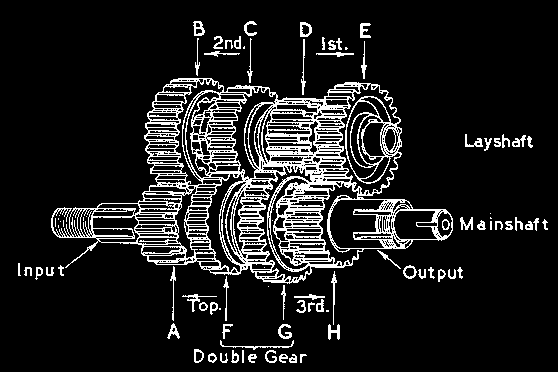
Image Source: www.thevincent.com
Recognizing Gearbox Failure Symptoms
Identifying gearbox issues early can prevent more serious and costly repairs. Here are some key symptoms of gearbox failure:
- Difficulty Shifting: This is one of the most common indicators. You may find it hard to move the gear lever or experience resistance when shifting.
- Unusual Noises: Grinding, whining, or clunking sounds coming from the gearbox, especially during gear changes, suggest problems.
- Gear Slipping: When the motorcycle unexpectedly jumps out of gear while riding, it indicates gear slippage.
- Hard Shifting: A noticeable increase in the effort required to shift gears.
- Finding Neutral is Difficult: Struggling to get the bike into neutral, especially from first or second gear.
- The Gear Lever Feels Loose: A general sloppy or disconnected feel to the gear lever when actuating.
Common Motorcycle Gearbox Faults and Their Causes
Several factors can contribute to motorcycle gearbox problems. Here’s a rundown of the common culprits:
1. Worn Gear Teeth
Cause: Constant use and friction cause gear teeth to wear down, particularly in frequently used gears. Insufficient lubrication accelerates this process.
Symptoms: Gear slippage, grinding noises, and difficulty maintaining gear engagement.
Solution: Motorcycle transmission rebuild, including replacing worn gear sets.
2. Bent or Damaged Shift Forks
Cause: Aggressive or improper shifting habits can bend or damage the shift forks, which are responsible for moving gears along the shafts.
Symptoms: Difficulty shifting into specific gears, a loose or sloppy feeling shift lever, and gear slippage.
Solution: Replacing the damaged shift forks. This usually requires a complete gearbox disassembly.
3. Worn or Damaged Shift Drum
Cause: The shift drum, which guides the shift forks, can wear or become damaged over time, especially if the motorcycle experiences rough use.
Symptoms: Difficulty shifting, gears locking up, or the inability to find certain gears.
Solution: Replacing the shift drum.
4. Damaged or Weakened Gear Selector Springs
Cause: The gear selector springs help engage and hold the gears in place. Over time, these springs can weaken or break.
Symptoms: Gear slippage, especially under load, and difficulty maintaining gear engagement.
Solution: Replacing the gear selector springs.
5. Low or Contaminated Gear Oil
Cause: Insufficient gear oil or contaminated oil (with metal particles or water) can lead to increased friction and accelerated wear on gearbox components.
Symptoms: Grinding noises, hard shifting, overheating of the gearbox, and premature wear of internal components.
Solution: Changing the gear oil with the recommended type and viscosity. If the oil is heavily contaminated, consider flushing the gearbox.
6. Clutch Problems
Cause: A malfunctioning clutch can mimic gearbox issues. If the clutch doesn’t fully disengage, it can cause hard shifting, grinding noises, and difficulty finding neutral. This is frequently overlooked as a source of motorcycle transmission issues.
Symptoms: Hard shifting, difficulty finding neutral, jerky engagement, and clutch slippage.
Solution: Inspect and adjust the clutch cable or hydraulic system. If necessary, replace the clutch plates, springs, or the entire clutch assembly.
7. Internal Bearing Failure
Cause: Gearbox bearings support the shafts and allow them to rotate smoothly. These bearings can fail due to wear, contamination, or lack of lubrication.
Symptoms: Whining or grinding noises that change with engine speed or gear selection. Vibration and difficulty shifting.
Solution: Replacing the affected bearings. This usually requires a complete gearbox disassembly.
8. Loose or Damaged Gear Lever Linkage
Cause: The linkage connecting the gear lever to the gearbox can become loose, worn, or damaged.
Symptoms: Sloppy or imprecise shifting, difficulty finding gears, and excessive play in the gear lever.
Solution: Tightening the linkage, replacing worn bushings or joints, or replacing the entire linkage assembly.
Table: Common Gearbox Problems, Symptoms, and Solutions
| Problem | Symptoms | Solution |
|---|---|---|
| Worn Gear Teeth | Gear slippage, grinding noises, difficulty maintaining gear engagement. | Replace worn gear sets (transmission rebuild). |
| Bent Shift Forks | Difficulty shifting, sloppy shift lever, gear slippage. | Replace damaged shift forks. |
| Damaged Shift Drum | Difficulty shifting, gears locking up, inability to find certain gears. | Replace shift drum. |
| Weak Gear Selector Springs | Gear slippage, difficulty maintaining gear engagement. | Replace gear selector springs. |
| Low/Contaminated Gear Oil | Grinding noises, hard shifting, overheating. | Change gear oil, flush gearbox. |
| Clutch Problems | Hard shifting, difficulty finding neutral, jerky engagement. | Adjust or replace clutch components. |
| Internal Bearing Failure | Whining/grinding noises, vibration, difficulty shifting. | Replace affected bearings. |
| Loose Gear Lever Linkage | Sloppy shifting, difficulty finding gears, excessive play. | Tighten linkage, replace worn bushings/joints, replace linkage assembly. |
Diagnosing Motorcycle Gearbox Noise
Diagnosing the source of motorcycle gearbox noise is crucial for effective repair. Here’s a step-by-step approach:
- Listen Carefully: Pay attention to when the noise occurs. Does it happen in all gears, or only certain ones? Does it change with engine speed or load?
- Isolate the Noise: Try to determine the exact location of the noise. Use a mechanic’s stethoscope or a long screwdriver (carefully placed against different parts of the engine) to help pinpoint the source.
- Check the Gear Oil: Drain the gear oil and inspect it for metal particles or other contaminants. This can indicate internal damage.
- Inspect the Clutch: Rule out clutch problems by checking the clutch cable adjustment and looking for signs of wear or damage to the clutch plates.
- Test Ride: If possible, have a qualified mechanic test ride the motorcycle to help diagnose the problem.
Motorcycle Gearbox Repair Cost
The motorcycle gearbox repair cost can vary widely depending on the nature of the problem, the make and model of the motorcycle, and the labor rates in your area.
- Simple Repairs: Replacing gear oil or adjusting the clutch cable might cost between \$50 and \$150.
- Replacing Shift Forks or Selector Springs: This can range from \$300 to \$800, including parts and labor.
- Motorcycle Transmission Rebuild: A complete motorcycle transmission rebuild, involving replacing gears, bearings, and other internal components, can cost between \$800 and \$2500 or more.
It’s always best to get a quote from a qualified motorcycle mechanic before proceeding with any repairs.
Motorcycle Transmission Rebuild: When is it Necessary?
A motorcycle transmission rebuild becomes necessary when multiple internal components are worn or damaged. Here are some signs that a rebuild might be required:
- Multiple Gear Slippage: Slipping out of several different gears.
- Loud and Persistent Noises: Constant grinding, whining, or clunking noises from the gearbox.
- Difficulty Shifting Into Any Gear: Significant resistance or inability to shift into any gear.
- Extensive Metal Debris in Gear Oil: A large amount of metal particles found when draining the gear oil.
A motorcycle transmission rebuild involves disassembling the entire gearbox, inspecting all components, replacing worn or damaged parts, and reassembling the unit. It is a complex and time-consuming process that should be performed by a qualified mechanic.
Preventing Motorcycle Gearbox Problems
Preventive maintenance is key to minimizing gearbox problems. Here are some tips:
- Regular Gear Oil Changes: Change the gear oil according to the manufacturer’s recommendations.
- Proper Clutch Adjustment: Ensure the clutch is properly adjusted to prevent hard shifting and premature wear.
- Smooth Shifting: Avoid aggressive or jerky shifting. Use the clutch smoothly and deliberately.
- Use Recommended Gear Oil: Use the gear oil recommended by the motorcycle manufacturer.
- Regular Inspections: Have the gearbox inspected during regular motorcycle servicing.
Is it a Gearbox Problem, or Motorcycle Clutch Problems?
It’s important to differentiate between motorcycle gearbox problems and motorcycle clutch problems, as their symptoms can overlap. If you experience hard shifting, difficulty finding neutral, or jerky engagement, it could be a clutch issue rather than a gearbox fault.
Clutch-related Symptoms:
- Clutch slippage (engine revs increase without a corresponding increase in speed).
- Jerky or grabby clutch engagement.
- Difficulty finding neutral, especially when the engine is running.
- Hard shifting, particularly between first and second gear.
Gearbox-related Symptoms:
- Gear slippage (jumping out of gear).
- Grinding, whining, or clunking noises coming from the gearbox.
- Difficulty shifting into specific gears.
- A loose or sloppy feeling shift lever.
If your car’s clutch is acting up, the first step is to dial in the basics: check the cable tension if yours is operated by one, or for hydraulic systems, top up and assess the fluid. If these initial checks don’t solve the riddle, it’s time to bring in a seasoned pro to give the clutch a thorough once-over.
FAQ: Common Questions About Motorcycle Gearbox Issues
-
What is the most common cause of motorcycle gear slippage?
The most common cause is worn gear teeth or weak gear selector springs. Low gear oil and incorrect clutch adjustment are also possibilities.
-
Can I ride my motorcycle with a faulty gearbox?
It is not advisable to ride a motorcycle with a known gearbox fault. It can be dangerous and could lead to further damage.
-
Who is qualified to repair a motorcycle gearbox?
A qualified motorcycle mechanic with experience in gearbox repairs.
-
What are some signs that my motorcycle needs a gearbox rebuild?
Signs include multiple gear slippage, loud and persistent noises, difficulty shifting into any gear, and extensive metal debris in the gear oil.
-
What is the best way to prevent motorcycle gearbox problems?
Regular gear oil changes, proper clutch adjustment, smooth shifting habits, and using the recommended gear oil.
-
Can I change my motorcycle gear oil myself?
Yes, if you have the necessary tools and knowledge. Refer to your motorcycle’s service manual for instructions.
By proactively maintaining your motorcycle and addressing gearbox issues promptly, you can ensure a smooth and reliable riding experience.

Hi, I’m Hector Quintanilla, the creator of helmetslab.com.. As a passionate enthusiast and experienced expert in helmets, I’ve dedicated this platform to sharing my insights, knowledge, and hands-on experiences. Whether you’re seeking the best helmet for safety, comfort, or performance, my goal is to guide you with detailed reviews, tips, and advice. Ride safe, and let’s explore the world of helmets together!