What is the right motorcycle helmet size for youth? Finding the right motorcycle helmet size for youth involves measuring the circumference of their head and consulting a size chart provided by the helmet manufacturer. This ensures a snug, comfortable fit that maximizes safety.
Choosing the correct motorcycle helmet for your child or teenager is crucial for their safety and comfort. A properly fitted helmet can significantly reduce the risk of head injuries in the event of an accident. This comprehensive guide will walk you through the process of finding the perfect youth motorcycle helmet, covering everything from measuring your child’s head to the importance of a proper fit. This is important for kids motorcycle helmet sizing.
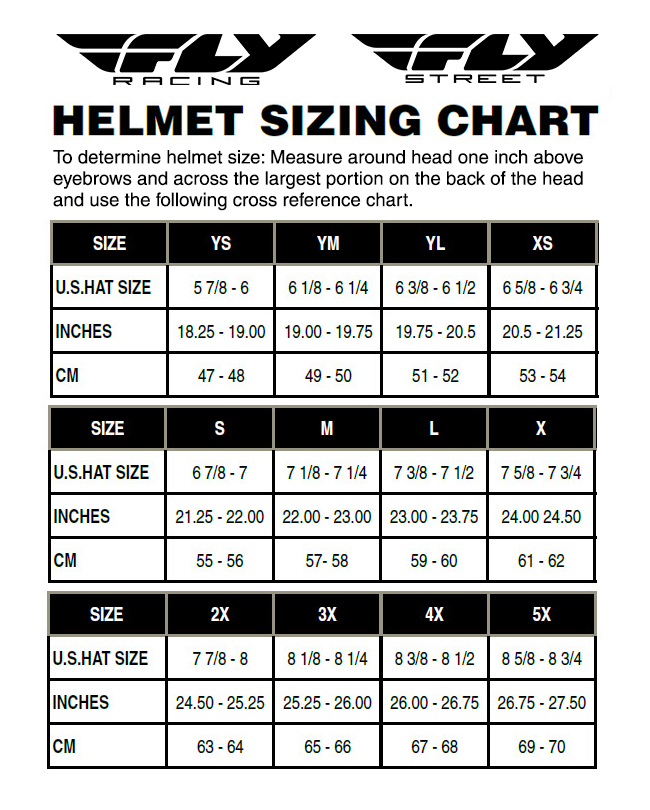
Image Source: xtremehelmets.com
Why a Properly Fitted Helmet Matters
A motorcycle helmet is designed to absorb impact and protect the rider’s head. However, a helmet can only do its job effectively if it fits correctly. A helmet that is too large will move around during an accident, potentially causing injury or failing to protect the rider adequately. A helmet that is too small will be uncomfortable and may not provide enough coverage. It’s vital to use a youth helmet fit guide.
Here’s why proper fit is essential:
- Protection: A snug fit ensures the helmet stays in place during an impact, maximizing its protective capabilities.
- Comfort: A well-fitting helmet will be more comfortable to wear, encouraging your child to wear it consistently.
- Visibility: A properly positioned helmet won’t obstruct your child’s vision.
- Concentration: A comfortable helmet helps your child focus on riding, minimizing distractions.
Motorcycle Helmet Size for Children: Measuring Your Child’s Head
Before you can choose a helmet, you need to measure your child’s head accurately. Here’s how to do it:
- Gather Supplies: You’ll need a flexible measuring tape (cloth or plastic) and a mirror.
- Positioning: Have your child stand or sit comfortably.
- Measuring:
- Wrap the measuring tape around their head, starting about one inch (2.5 cm) above their eyebrows and ears.
- Make sure the tape is level all the way around.
- The tape should be snug but not too tight.
- Record the Measurement: Note the measurement in centimeters or inches. It’s helpful to take the measurement a couple of times to be sure.
This is a motorcycle helmet measuring guide for kids.
Tips for Accurate Measurement
- Ensure your child is looking straight ahead during the measurement.
- Avoid pulling the tape too tightly.
- If you’re between sizes, it’s generally better to choose the larger size.
Child Motorcycle Helmet Chart: Size Charts and Conversion
Once you have your child’s head measurement, you can use a size chart to determine the appropriate helmet size. Here’s a general child motorcycle helmet chart. Keep in mind that sizes can vary slightly between manufacturers, so always refer to the specific size chart provided by the helmet brand you’re considering.
| Head Circumference (Inches) | Head Circumference (Centimeters) | Helmet Size |
|---|---|---|
| 18.5 – 19 | 47 – 48 cm | XXS |
| 19 – 19.5 | 48 – 50 cm | XS |
| 19.5 – 20 | 50 – 51 cm | S |
| 20 – 21 | 51 – 53 cm | M |
| 21 – 22 | 53 – 56 cm | L |
Important Notes:
- This is a general guideline. Always consult the manufacturer’s size chart for the most accurate sizing information.
- Some manufacturers may use different size designations (e.g., Youth Small, Youth Medium).
- Sizes for youth dirt bike helmet sizing chart could be different.
Motorcycle Helmet Size by Age: Is It Reliable?
While it might be tempting to choose a helmet based solely on your child’s age, it’s not a reliable method. Head sizes vary greatly among children of the same age. Therefore, always measure your child’s head and consult a size chart for the most accurate fit.
Using age as a guide can be misleading because physical development varies. Relying solely on age might lead to selecting a helmet that’s either too loose or too tight, both of which compromise safety and comfort.
Motorcycle Helmet Size Guide for Teens: Transitioning to Adult Sizes
Teenagers may be approaching adult sizes. As teens grow, their head size may fall into the range of adult motorcycle helmets. Here’s what to consider when choosing a helmet for a teenager:
- Measure Head Circumference: As with children, start by accurately measuring the teenager’s head circumference.
- Check Adult Size Charts: Compare the measurement to adult helmet size charts provided by different manufacturers.
- Consider Features: Teenagers may have specific preferences regarding helmet features like ventilation, visor type, and communication system compatibility.
- Fit is Key: Ensure the helmet fits snugly but comfortably, without any pressure points or excessive movement.
Finding the Right Motorcycle Helmet Size for Youth: Testing the Fit
Once you’ve received the helmet, it’s crucial to test the fit thoroughly. Here’s how:
- Putting it On: Have your child put the helmet on. It should slide on snugly but not require excessive force.
- Visual Inspection: Check for any gaps between the helmet and their forehead or temples.
- The Movement Test: With the helmet on, have your child shake their head from side to side and up and down. The helmet should move with their head, not independently. If the helmet shifts significantly, it’s too large.
- The Roll-Off Test: Fasten the chin strap securely. Then, try to roll the helmet off your child’s head by pushing upwards from the back. If the helmet rolls off, it’s too large.
- Pressure Points: Ask your child if they feel any pressure points or discomfort inside the helmet. If so, the helmet may be too small or not the right shape for their head.
Small Motorcycle Helmet Sizes: Finding the Right Fit for Smaller Children
Finding small motorcycle helmet sizes can be challenging, but it’s important to prioritize safety over convenience. Look for helmets specifically designed for younger children with smaller head circumferences. Consider these tips:
- Specialty Retailers: Check with motorcycle gear retailers that specialize in children’s equipment. They may have a wider selection of smaller sizes.
- Read Reviews: Look for online reviews from other parents who have purchased small helmets for their children. Their experiences can provide valuable insights.
- Consider Adjustable Features: Some helmets offer adjustable cheek pads or liners, which can help customize the fit for smaller heads.
- Professional Fitting: If possible, visit a local motorcycle gear shop and have a professional help you fit the helmet.
Key Features to Look For in a Youth Motorcycle Helmet
Beyond size, consider these features when choosing a youth motorcycle helmet:
- Safety Certification: Look for helmets that meet or exceed safety standards such as DOT (Department of Transportation) or ECE (Economic Commission for Europe) certifications.
- Shell Material: Common shell materials include polycarbonate, fiberglass, and composite materials. Each offers different levels of protection and weight.
- Liner: The inner liner should be comfortable, moisture-wicking, and removable for washing.
- Ventilation: Adequate ventilation is essential for keeping your child cool and comfortable during rides.
- Visor: A clear, scratch-resistant visor provides good visibility. Some helmets may also have tinted visors or sun shields.
- Chin Strap: A secure and easy-to-use chin strap is crucial. Look for a D-ring closure or a quick-release buckle.
Maintaining Your Child’s Motorcycle Helmet
Proper maintenance is essential for prolonging the life of your child’s helmet and ensuring its continued safety performance. Here are some tips:
- Cleaning: Clean the helmet regularly with mild soap and water. Avoid using harsh chemicals or solvents.
- Storage: Store the helmet in a cool, dry place away from direct sunlight and extreme temperatures.
- Inspection: Regularly inspect the helmet for any signs of damage, such as cracks, dents, or loose parts.
- Replacement: Replace the helmet if it has been involved in an accident or if it shows signs of wear and tear.
- Follow Manufacturer’s Instructions: Always follow the manufacturer’s instructions for cleaning, care, and maintenance.
What To Do if You’re Still Not Sure
If you’re still unsure about the right size or fit, it’s best to consult with a professional. Visit a local motorcycle gear shop and have an experienced salesperson help you. They can provide personalized recommendations and ensure that the helmet fits your child correctly.
Frequently Asked Questions (FAQ)
Q: How often should I replace my child’s motorcycle helmet?
A: You should replace your child’s motorcycle helmet every 3 to 5 years, or sooner if it has been involved in an accident, shows signs of damage, or no longer fits properly.
Q: Can I use an adult helmet for my child?
A: No, it’s not recommended to use an adult helmet for a child. Adult helmets are designed for larger head sizes and may not provide adequate protection for a child’s smaller head. Using an adult helmet can be dangerous and compromise safety.
Q: How do I clean my child’s motorcycle helmet?
A: Clean your child’s motorcycle helmet with mild soap and water. Remove the inner liner and cheek pads (if removable) and wash them separately. Avoid using harsh chemicals or solvents.
Q: What is DOT certification?
A: DOT (Department of Transportation) certification means that the helmet meets the minimum safety standards set by the U.S. Department of Transportation. Look for a DOT sticker on the back of the helmet to ensure it’s certified.
Q: My child’s head is between sizes. Which size should I choose?
When your child’s head circumference lands between helmet sizes, err on the side of the bigger option. Just be sure to test for a firm, secure fit – the helmet shouldn’t budge much when they shake their head. You might need to add thicker cheek pads or adjust liners to get that perfect, stable feel.

Hi, I’m Hector Quintanilla, the creator of helmetslab.com.. As a passionate enthusiast and experienced expert in helmets, I’ve dedicated this platform to sharing my insights, knowledge, and hands-on experiences. Whether you’re seeking the best helmet for safety, comfort, or performance, my goal is to guide you with detailed reviews, tips, and advice. Ride safe, and let’s explore the world of helmets together!